Glossary

Bronchoscopy and lung biopsy – A medical test where a doctor puts a thin, light tube called a bronchoscope through your nose or mouth, down your windpipe, and into your lungs to take tiny tissue samples to test for rejection.

Cardiac biopsy – A medical procedure where a doctor guides a thin tube called a catheter through a blood vessel, usually in the neck , into the heart to take tiny tissue samples of the heart muscle to test for rejection.

Cardiac catheterisation ( angiography) – A procedure which involves a catheter ( a thin flexible tube) through a blood vessel to the heart.

Cytomegalovirus ( CMV) – A very common virus that causes symptoms similar to a mild cold. Once you’ve had the CMV virus , you carry it around your body without it doing harm. However, if you have had a transplant, you may develop a more serious form of illness from the transplanted organ if you haven’t had the virus before.

Clam -shell incision – An incision below the breasts or nipples.

Computed tomography scan ( CT scan) – A quick scan that uses X-rays and a computer to make detailed, slice by slice pictures of bones, organs, and blood vessels inside the body.

DBD – Donation after brain death. Is a type of organ donation that takes place after a person has been diagnosed with brain stem death which means the brain has permanently stopped functioning.

DCD – Donation after circulatory death. Is a type of organ donation that takes place after a person has died, following the permanent cessation of their heart and circulation.

Echocardiogram (Echo) – An echocardiogram is an ultrasound scan of the heart to monitor function of the heart muscle and /or valves.

EVLP – Ex- vivo lung perfusion. Is a technique used to assess and improve donor lungs before transplant.

Extracorporeal membrane oxygenation (ECMO) – ECMO is a temporary life support system used for people whoa heart or lungs have stopped working properly. it can be used for people whose hearts have been artificially stopped during surgery to help take the strain off their system after the operation. The ECMO machine is similar to a heart- lung bypass machine used for open heart surgery. Extracorporeal means outside the body and membrane oxygenator is a piece of equipment which delivers oxygen into the blood.

Gallstones – Solid lumps or stones that form in the gallbladder or bile duct. They are formed when some of the chemicals stored in the gallbladder harden into a mass. One stone may develop or many smaller stones.

HLA – Human Leukocyte Antigens are proteins or markers on most cells in your body. Your immune system uses HLA to see which cells belong in your body and which do not.

Immunosuppressant medicines – Medicines that help prevent your immune system from attacking (rejecting) a transplanted organ. They also make your body less effective at fighting off infections, but they are an important part of your therapy after transplantation. Anyone who has had a transplant will need to take immunosuppressant medicines everyday for the rest of their life.

Intravenous infusion – This is when liquid (e.g. fluid or medicines) are administered to a patient via a vein.

MRSA screening – During an MRSA screening test a swab is wiped over part of your body to find out if you carry the MRSA bacterium. MRSA ( Methicillin – resistant Staphylococcus aureus) is a bacterium responsible for many infections in humans that can be difficult to treat.

Obliterative bronchiolitis ( O.B. or B.O.S.) A type of lung disease in which the bronchioles (small airway branches) are compressed and narrowed by fibrosis ( scar tissue) or inflammation.

OCS – Organ care system. Is a portable machine used to preserve and assess donor hearts during transportation for transplantation.

Oral thrush – A fungal infection in the mucous membranes of the mouth.

Pacemaker – A small device that is placed under the skin in the chest or abdomen to help control abnormal heart rhythms. A pacemaker is connected to the heart by pacing wires.

Pacing box – A pacing box is similar in function to a pacemaker but is used externally, i.e. it is not placed under the skin. A pacing box is connected to the heart by pacing wires.

Pacing wires – Pacing wires connect the pacing box or pacemaker to the heart to provide electrical stimulation to help control abnormal heart rhythms

Perfusion scan – A test that is used to evaluate the circulation of air and blood in the lungs. A tiny amount of radioactive dye is injected into your vein. a camera rotates near your chest to take 3D -style pictures showing which areas absorb the dye.

Pulmonary hypertension – Is an increase in blood pressure in the pulmonary artery, pulmonary vein or pulmonary capillaries, leading to a number of symptoms including shortness of breath, dizziness and fainting. Pulmonary hypertension can be a severe disease with a markedly decreased exercise tolerance and heart failure.

Rejection – Organ transplant rejection happens when your immune system sees a new donor organ as a foreign object and attacks it. Rejection can help to be prevented by using anti-rejection drugs called immunosuppressants.

Sputum – Mucus and other matter brought up from the lungs by coughing.

Sternotomy – A surgical procedure in which an incision is made along the length of your sternum ( breast bone).

Tissue Typing – A procedure in which blood samples from a prospective donor and recipient are tested for compatibility prior to transplant.

Total lymphoid irradiation (TLI) – A treatment of the lymph nodes throughout the body with high energy x-rays.

Urinary catheter – A thin plastic tube that is gently inserted into a patient’s bladder via the urethra. This is performed by a doctor or nurse. It allows urine to drain freely from the bladder.

Ventilator – A machine designed to mechanically move air into and out of the lungs to provide the mechanism of breathing for a patient who is physically unable to breath, or is breathing insufficiently.

Ventricular Assist Device ( VAD) – A specialised mechanical pump that is surgically implanted. It is used to partially or completely replace the function of a failing heart and helps to circulate blood around the body. Some VADs are intended for short term use, while others are intended for long term use.

10 degree fridge – Lungs used for transplant using the 10 degree fridge. To help us accept more lungs for transplant we are now using a new method to preserve and store lungs at 10 degrees rather than storing on ice. There is evidence that 10 degrees can effectively preserve lung function foe up to 36 hours. This means that the lungs could be stored overnight for transplant during the day. The storage time of the organ you receive will never be more than 12 hours.

Submit Feedback

    Register

    Bronchoscopy

    You may be advised by your doctor to have a Bronchoscopy. A Bronchoscopy is a test which allows a doctor to look into your windpipe and the airtubes of your lungs. This is done using a flexible tube with a bright light on the end. If necessary, samples can be taken, including biopsies to test for rejection and specimens to test for infection.

    X-rays and scans can tell us much about the lungs, but Bronchoscopy gives direct views and allows samples to be taken.


    What are the risks of having a Bronchoscopy?

    • It’s common to have a sore throat after the examination; this should get better after a few hours.
    • There’s a very small risk of damage to teeth, crowned teeth or dental bridgework
    • Internal bleeding could occur, but is very rare. A blood sample will be taken before the test to check your clotting levels. Having a small nosebleed or coughing blood can be quite normal, especially after samples are taken. This will usually stop within 24 hours.
    • There’s a very small risk of infection. You may develop a temperature in the first few hours after the Bronchoscopy especially if you have had a lavage (fluid passed through the lungs to wash them out). This can stir. up any infection already present. The temperature will usually resolve within 24 hours or may need treatment with antibiotics.

    How do I prepare for the Bronchoscopy?

    • If you have Diabetes or are taking Warfarin, Clopidogrel or other blood-thinning treatment please inform the Transplant clinic as soon as possible.
    • You will need to take all your usual medication early except your anti-rejection medication. This can be taken immediately after having your bloods taken.
    • Do not eat anything after midnight the night before the procedure.
    • You may drink a little water with your tablets the morning of the procedure.
    • Before the procedure you will attend the transplant clinic at 7:30am and will see a transplant nurse, have your bloods taken and be able to discuss any problems or worries.
    • Please leave all valuables at home.
    • At least one finger should be free of nail polish on the day of the procedure to allow measurement of your oxygen levels during the test.

    What will happen during the Bronchoscopy?

    • Your test will be performed by one of the transplant consultants or the transplant registrar supervised by the consultant.
    • The test will be explained again and you will be asked to sign a consent form giving your permission for the test to go ahead, if you have not already done so.
    • A nurse will remain with you throughout the procedure.
    • You will be asked to remove any dentures or glasses. You can wear your normal clothing.
    • You will be asked to lie on a couch. The doctor will spray your throat with local anaesthetic which will make your throat feel numb and tastes bitter.
    • A plastic mouth guard may be placed in your mouth to protect your teeth and the scope. However, for most people the bronchoscope can be passed easily through the nose.
    • You will be given an injection through a needle to make you relaxed and sleepy. This is not a general anaesthetic and you will not be unconscious, but it is unlikely that you will remember anything about the test.
    • A clip will be lightly attached to your finger to record your pulse rate and level of oxygen in the blood and your blood pressure may also be monitored.
    • You will be given oxygen into your nostrils.
    • Once you are sleepy the bronchoscope will be passed through your nose or mouth into your windpipe.
    • If any samples are needed, the doctor can take these easily and painlessly.
    • Photographs of the affected area may be taken for your medical records and will only be seen by those involved in your care.
    • The test takes about 10-20 minutes.

    What will happen after the Bronchoscopy?

    • You will be admitted for an overnight stay to recover from the procedure. This will either be on one of the cardiothoracic wards or ward 38 the transplant ward.
    • You will be advised when you can eat and drink, usually two hours after the test.
    • You will attend the transplant clinic the next morning. You will be seen by the consultant at the end of the clinic, this will allow time for all your results to be collected.
    • If your results show evidence of rejection and/or infection you may have to remain in hospital for further treatment.
    • If your results are satisfactory you will be discharged home from the clinic.

    For 24 hours after the test you should not

    • Go to work
    • Drive a vehicle
    • Operate machinery (including household appliances)
    • Drink Alcohol/take sleeping tablets/recreational drugs
    • Sign any legal documents
    • Have a bath unsupervised
    • Be left alone to care for children

    Questions or problems?

    If you have any further questions you should contact:

    Freeman Hospital

    Cardiopulmonary transplant clinic

    Direct line 0191 223 1151 7:30am — 3:30pm, Monday to Friday.

    Telephone advice is available at evenings and weekends from ward 38 staff: 0191 213 887

    Hospital switchboard number is 0191 233 6161.

    For further information

    The Patient Advice and Liaison Service (PALS) can offer on-the-spot advice and information about the NHS. You can contact them on freephone 0800 032 02 02 or e-mail northoftvnepals@nhct.nhs.uk

    Useful websites

    If you would like further information about health conditions and treatment options, you may wish to have a look at the NHS Choices website at www.nhs.uk. On this website there is an information prescription generator www.nhs.uk/ips which brings together a wealth of approved patient information from the NHS and charity partners which you may find helpful.

    Engagement Record

    Engagement Confirmation

    Carers’ Café

    What is it?

    Our ‘café’ is a space to meet with others with similar experiences and to share and gather useful information. It may give you some time to think about the impact of your medical journey alongside having a hot drink in a friendly, supportive atmosphere.

    What will it involve?

    Meeting with other people within our transplant service who may be having similar experiences to you. Hearing some helpful information. Or just joining us for a hot drink and an informal chat. A clinical psychologist will be present to facilitate the conversation and to help with any questions.

    Who, Where, When?

    Anyone who has had a heart or lung transplant or a VAD procedure is welcome. The café will usually be held in Seminar room 1 on Level 4 on the first Tuesday of the month between 11.30am and 1.30pm. We’re trying this out for six months so let us know what you think.

    How do I register my interest?

    Just come along on the day. If you would like more information contact Dr Lucy Attenborough using the details below.

    For further information

    Contact

    Dr E. Lucy Attenborough (Clinical Psychologist)
    0191 2137142
    lucy.attenborough@nuth.nhs.uk
    Available Tuesdays 11 –2pm, Wednesday 8 –5pm, Thursday & Friday 8 –2pm

    PALS (Patient Advice and Liaison Service) for help, advice and information about NHS services.
    Freephone: 0800 032 02 02
    Text: 01670511098
    northoftynepals@nhct.nhs.uk

    Useful Websites

    If you would like further information about health conditions and treatment options, you may wish to have a look at the NHS website.

    If you would like to find accessibility information for our hospitals, please visit the AccessAble website.

    Assessment Visit – Sample Itinerary

    This is an overview of investigations and meetings. The times and days for your particular visit may vary.

    Monday

    From 11am:

    • you will be admitted onto ward 29
    • you’ll have bloods taken by the Transplant Team Assistant
    • you’ll meet the Transplant Co-ordinator
    • you’ll have some medical tests, including arterial blood gas, a chest x-ray, and an ECG.

    Tuesday

    Morning (usually from 9:30am, please stay by your bed):

    • you and your carer will meet with the Transplant Co-ordinator for a education and question and answer session based on what you have learnt from this resource – provides a face to face opportunity for any questions that you have
    • even though you won’t know at this point whether you’re going to be accepted onto the transplant waiting list, we’ll still go through all the education with you and your carer – this education is essential in helping you understand the transplant process.

    Afternoon (usually from 2pm):

    • you’ll do some more medical tests, including a 6 Minute Walk Test with the Physiotherapist, and an abdominal ultrasound
    • you and your carer will meet with the social worker
    • you’ll have some more tests, including lung function and cardiac echo.

    Late afternoon (usually from 4pm):

    • you are usually free from approximately 4pm on Tuesday for discharge home
    • patients waiting for an air ambulance will have the discharge time confirmed on the day of travel.

    Thursday

    At 11:30am, the Transplant Team will meet to discuss your case. They’ll look at your medical records and talk about the results of the tests you’ve had during the assessment week. They’ll make a decision about whether a transplant is the right outcome for you at this time.

    The Consultant and Transplant Co-ordinators will then speak with you about the decision and talk about next steps.


    Leaving the hospital grounds

    During your stay, you’re free to leave the grounds each evening after 18.00. If you want to, you can explore Newcastle or go out for a meal.

    There are local taxi services available. The number 38 bus leaves the front of the hospital every 15 minutes and will take you straight into the city centre.

    If you do not want to leave the hospital grounds, you and your carer can enjoy a meal in one of our cafes or our restaurant.

    Gordon and Lynn

    Gordon had a double lung transplant in 2017. His wife Lynn cared for him throughout the process. We asked them to tell us about their experience of the transplant process, from assessment to recovery.

    These videos are intended to show the experiences of one person, and their carer, going through the transplant process. Please remember that everyone is different, and that this process might be very different for you.

    Video transcript
    0:08
    [Gordon] Hello my name is Gordon and this is my wife Lynn. We’re retired and live on the southern outskirts of Sheffield. We have family in this area and down in Cheltenham.

    0:26
    [Gordon] Having been diagnosed with IPF in 2012 I had two pre-transplant assessments at the freeman hospital in Newcastle in 2012 and another one in 2017. Both paved the way for me to have a double lung transplant in November of that year.

    0:55
    [Gordon] Just thinking back to the assessments that I had I can remember how anxious we were, particularly about the first one. We’re registered at the northern general hospital in Sheffield so quite unfamiliar with the Freeman hospital and in fact very unfamiliar with Newcastle. So we really weren’t quite sure what to expect.
     
    1:21
    [Gordon] However what we were acutely aware of was the importance of the outcomes of the assessment. So whilst I was at the Freeman, if I was asked to jump, my natural response was ‘How high?’
     
    1:40
    [Gordon] After 3 days of intensive testing, x rays, breathing tests, bone density tests, blood tests, lots of other assessments. [Lynn] And a lot of sitting around for myself so make sure you bring a good book. [Gordon] Then we had an exit interview with the decision-making panel, and I can’t begin to tell you just how elated we were when we were given the news that I would make a suitable lung transplant candidate. I wasn’t at that time poorly enough to be added to the waiting list. But I was told that I would be monitored closely over time and if my condition did deteriorate then I would be invited back assessed again and added to the transplant list.
     
    2:36
    [Gordon] That was in 2012 and for the next 4 to 5 years I did reasonably well. There was some deterioration in my condition, but it was very gentle and steady up until 2017 where it worsened quite considerably. So, I was invited back at that time I was reassessed then considered poorly enough to be added to the waiting list and in the spring 2017 that’s exactly what happened.
     
    3:11
    [Gordon] The waiting period was probably the most stressful part of the whole process. I’ll let Lynn describe to you what happened between May and November 2017.
     
    3:30
    [Lynn] There’s no doubt that this was a very stressful time, Gordon was getting worse by the day and I was willing the phone to ring. During our 6 month wait we had 3 false alarms for different reasons before the ideal donor organs came along. Each time was a huge disappointment, but we turned them into positives, saying if the lungs weren’t 100% right, we’d be better of waiting.
     
    4:00
    [Lynn] When the day finally arrived we received a call early in the morning from our specialist nurse coordinator. She said that suitable donor organs are now available and an Ambulance would be with us in half an hour. And it was. We were blue lighted from Sheffield to Newcastle in a world record time of 2 hours 10 minutes. This was stressful in itself. We received a full briefing on arrival and Gordon was prepared for surgery and I will let him tell you the next steps.
     
    4:32
    [Gordon] So after the customary short back and sides, and the application of some deeply attractive surgical stockings I finally made my way down to theatre around tea time on the 25th of November 2017. I was accompanied by Lynn and step daughter Cheryl and we said our very nervous farewells at the theatre door. And that was it largely for me until 10:30 the next morning, but our experiences from that point were very different.
     
    5:17
    [Lynn] It was a very surreal situation going down to theatre I didn’t know what to say when I left Gordon at the door, and my daughter and I didn’t  know what to do, or what we should be doing. We had rented a flat a couple of miles away so we went back had cheese on toast, gin and tonic and watched strictly come dancing. Then we tried to sleep, that was impossible. Until the phone rang at about 3am in the morning to say that all had gone as well as could be expected. We could have gone to see Gordon then, but he would be asleep and we were advised that we were better off trying to get some sleep ourselves. Which we did, and we made our way down to the hospital later that morning. To find Gordon sat up in bed, he still had the ventilator on but that was removed within half an hour  It was amazing.

    6:06
    [Gordon] My experience on the other hand was short and sweet. It started with an injection in the back of my hand as I entered the operating theatre and concluded when I woke up in the recovery ward. Ready for my breakfast, ready and eager to know whether the mighty Sheff United had beaten Lynn’s team Birmingham City the previous day. I was able to sit up, the most remarkable thing, I was able to sit up in bed and have something to eat within an hour of coming around. Truly amazing.
     
    6:48
    [Gordon] I’d already anticipated that when I cam around I would have some enormous pain. But I didn’t in fact, I had only a mild discomfort in my throat where I had a ventilator fitted during the course of the operation. Then afterwards I do recall that they was some discomfort when I coughed. And then almost excruciating discomfort when I sneezed. But I only ever did that once.  
     
    7:23
    [Gordon] After the operation I was out of hospital within 3 weeks with 4 weeks we were walking up and down the sands of Tynemouth and 2 weeks after that having completed some physio work and tested on a regular basis I was discharged. I was at home back in Sheffield on the 7th January 2018
     
    7:54
    [Gordon] People who know us often ask ‘So what’s your life like now?’ really to do that question justice I have to think back to what it was like before my operation and it was pretty bleak. I was on 24/7 oxygen, I was in a wheelchair, I wasn’t able to dress myself, had to move my bedroom from upstairs to downstairs and I took up residence in our dining room. Taking a shower was absolute purgatory, it was awful. And now, post recovery, within a few weeks I was able to walk 20-30 miles around the peak district, we’ve been able to rekindle our passion for travel, we’ve been to Florida, we’ve been to France, we’ve been on a cruise to Sri Lanka and India. We’ve even made preparations to move home and crowning all this I’ve even got my seat back at Bromwell Lane.
     
    9:06
    [Gordon] Life’s not entirely normal now. 3 years after the event I still take up to 20 tablets a day every day and I am required to go up to Newcastle to the clinic about 4 times a year. But then I put that in the round and consider is this a price to pay. Most certainly is. [Lynn] Definitely.
     
    9:38
    [Gordon] What advice can we give people who have been lucky enough to be referred for a transplant assessment. Well first of all consider yourself to be very fortunate and go for it. The second is listen very carefully to what’s being asked of you and adopt a can-do attitude. Thirdly, trust in your consultant and your nursing team, because they really do know what they’re doing and they have a real care for you personally and whatever discomforts and obstacles you encounter along the way, keep your eye on the prize, because it is considerable. 
     

    10:28
    [Lynn] As a carer you are very important person in the process so look after yourself. Have someone to confide in. Don’t bottle things up. There’s lots of things that I wanted to talk about that I couldn’t talk to Gordon about, the main one would be preparing myself for the worst. You hopefully have a support group near you. So this is the carers as well as the patients. It’s important for carers to have some me time. I used to go out and try to play golf a couple of times a week, but always make sure there was someone with Gordon when I did that. Don’t be afraid to put off visitors, this is both before transplant when your patient is ill and also post-transplant when you’re in hospital and accept help when it is offered. It’s hard work being a full time carer, both physically and mentally, but the end result is well worth it. 
     
    11:26
    [Gordon] In conclusion we wish you well with your assessment and urge you to accept it for what it is. It’s a means of insuring that you receive the best possible care and treatment that’s available for you r illness. And if that means a transplant, then do embrace that as an opportunity. Our very best wishes to you and to your families. 

    Patient Stories

    The assessment visit

    Welcome to the first chapter of the patient workbook. This chapter covers everything you need to know about the transplant assessment visit, including:

    • why you’ve been referred to the Freeman Hospital for an assessment
    • what the purpose of the assessment visit is
    • how you should prepare for the assessment visit
    • what happens during the assessment visit, and what you should expect
    • who will be assessing you
    • what the outcome of the assessment visit is

    At the end of the chapter, we’ll ask for your feedback. This helps us to understand whether we’ve explained everything clearly.

    Why you’ve been referred

    You’ve been referred to the Freeman Hospital as your doctor thinks you may need a transplant. You may have been seen in one of our satellite clinics, where you had an initial meeting with members of the transplant team.

    You’ve been invited to attend an in-patient assessment where we can determine your suitability for transplant. No one is accepted onto the witing list for a lung transplant until their condition has been assessed by the transplant team.

    After reviewing your information you have been invited to attend an in-patient assessment. You’re required to come to the Freeman Hospital for an assessment as an in-patient. This assessment usually lasts between 3 and 5 days. Further tests may be required which involve a longer stay. Sometimes tests can be carried out at your local hospital.

    During your stay you will have the opportunity to discuss the patient information and ask questions. Not only does the information enable you to make an informed decision regarding transplantation, but it is also a reference for you and your carer to go through the various stages of the transplant process.

    It’s essential that your carer attends the assessment visit with you. We’ll talk more about your carer in the next chapter.

    What happens during the assessment visit

    During the assessment you will:

    • have tests to assess the condition of your lungs
    • you will have tests to assess your physical fitness
    • you will have tests to assess the rest of your body
    • meet members of the transplant team
    • continue education regarding the transplant process

    You will also have opportunities to discuss the transplant process and outcomes with your transplant co-ordinator. Please feel free to ask questions.

    The assessment will take place in the Cardiothoracic Centre in Newcastle.

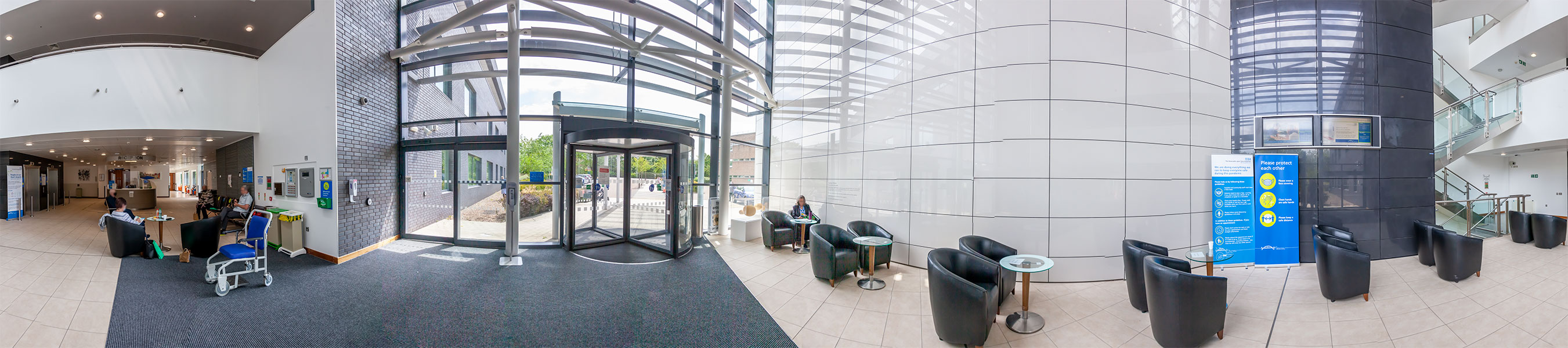
    A panoramic image of the inside of the main entrance in the Freeman Hospital.
    The foyer of the Institute of Transplantation.

    Sample assessment visit itinerary

    This is a rough guide of investigations and meetings. The times and days for your particular visit may vary.

    You will be admitted onto ward 29 or an alternative ward if ward 29 is full.

    You’ll have bloods taken by the Transplant Team Assistant.

    You’ll meet the Transplant Co-ordinator for a question and answer session. Even though you won’t know at this point whether you’re going to be accepted onto the transplant waiting list, it is still important to work through the patient information website with your carer. This education is essential in helping you understand the transplant process.

    Visiting times for carers once they have met with the transplant co-ordinator are 10am – 8pm on ward 29. Ward 30 is 10am – 8pm.

    You’ll have some medical tests, including:

    arterial blood gas
    chest x-ray
    lung function
    ECG
    6 Minute Walk Test
    abdominal ultrasound
    cardiac echo

    These tests will be booked and may take place from your arrival on Monday and continue until you are discharged home.

    Continuation of above tests. Afternoon ward round with the opportunity to meet the Transplant Physician of the week.

    You and your carer will be able to meet with the transplant social worker.

    The Transplant Team will meet to discuss your case. They’ll look at your medical records and talk about the results of the tests you’ve had during the assessment week. They’ll make a decision about whether a transplant is the right outcome for you at this time. You and your carer will be informed of the outcome of this meeting in person on the ward.

    Patients are usually ready for discharge home between 2pm and 3pm. If you are awaiting pre booked transport please inform a co-ordinator on arrival on Monday. In some cases you may have to stay until Friday if you require an ambulance.

    What happens during the assessment visit

    During the assessment you will:

    • have tests to assess the condition of your heart
    • you will have tests to assess your physical fitness
    • you will have tests to assess the rest of your body
    • meet members of the transplant team
    • continue education regarding the transplant process

    You will also have opportunities to discuss the transplant process and outcomes with your transplant co-ordinator. Please feel free to ask questions.

    The assessment will take place at the Cardiothoracic Centre in Newcastle.

    A panoramic image of the inside of the main entrance in the Freeman Hospital.
    The foyer of the Institute of Transplantation.

    Sample assessment visit itinerary

    This is a rough guide of investigations and meetings. The times and days for your particular visit may vary.

    From 11am:

    Arrive on ward 27.

    Be seen by our nurse practitioner, who will take a medical history and also some bloods.

    Be seen by the transplant co-ordinator for education on heart failure options.

    Be seen by the Consultant Physician who is on call that week, they will consent you for a right heart catheter at this point.

    Have some tests such as a CXR, Bloods, ECG and ECHO.

    Brief exercise test.

    You will be contacted by our social worker prior to admission, or be seen in person.

    From 8am:

    Right heart catheter test.

    ECHO (if not done the day before).

    You may see a specialist nurse from our Ventricular Assist Device team.

    From midday:

    The medical and nursing staff you’ve seen throughout your admission will meet and discuss the information we have collected over the 2-day assessment.

    From 12.30pm:

    The physician and transplant coordinator will advise you on what we feel is the best treatment option for you.

    Psychology service

    We have a psychology service, but due to limited availability it will not routinely form part of the assessment visit. If this service is something you’d like to engage, please contact us prior to your admission so we can arrange this for you.

    Leaving the hospital grounds

    During your stay, you’re free to leave the grounds each evening after 18.00. If you want to, you can explore Newcastle or go out for a meal.

    There are local taxi services available. The number 38 bus leaves the front of the hospital every 15 minutes and will take you straight into the city centre.

    If you do not want to leave the hospital grounds, you and your carer can enjoy a meal in our restaurant.

    What happens during the assessment visit

    During the assessment you will:

    • have tests to assess the condition of your heart
    • you will have tests to assess your physical fitness
    • you will have tests to assess the rest of your body
    • meet members of the transplant team
    • continue education regarding the transplant process

    You will also have opportunities to discuss the transplant process and outcomes with your transplant co-ordinator. Please feel free to ask questions.

    The assessment will take place at the Institute of Transplantation at the Freeman Hospital in Newcastle. Depending on your congenital heart condition, you may be in for 2 nights or 5 nights.

    Usually, patients who require a heart and liver transplant assessment will stay for longer. This does not meant you need a liver transplant necessarily, but we’ll assess how healthy your liver is and if it can support you through a heart transplant. You’ll be informed prior to your assessment date if you require a joint review.

    A panoramic image of the inside of the main entrance in the Freeman Hospital.
    The foyer of the Institute of Transplantation.

    On the day of your assessment visit you should be at the hospital between 10-11am where possible.

    From 11am you will:

    Be admitted to ward 27.

    Have bloods taken and seen by a ward doctor.

    Be seen by the consultant covering transplant that week and the congenital nurse specialist team.

    Be seen by a transplant coordinator.

    Have other tests including CXR, Bloods, ECG.

    On Tuesday, you’ll meet your transplant coordinator for transplant education.

    You’ll also have more tests, which could include an ECHO, Triple Phase liver CT, abdominal scan, scan of vessels (Dopplers), and cardiac catheter.

    You may also have an exercise test.

    Depending on your condition, you may be discharged today.

    If you are not discharged, you’ll meet with the liver transplant team, including the transplant coordinators, doctors, and the anaesthetist.

    You’ll be seen by liver and cardiac doctor to summarise the assessment process so far. You may also have a liver biopsy, and you may meet the liver and heart social worker.

    On Friday, you’ll be seen by the heart and liver medical and nursing team before discharge.

    You may need further medical tests, depending on how many you’ve had earlier in the week.

    Psychology service

    We have a psychology service, but due to limited availability it will not routinely form part of the assessment visit. If this service is something you’d like to engage, please contact us prior to your admission so we can arrange this for you.

    Leaving the hospital grounds

    During your stay, you’re free to leave the grounds each evening after 18.00. If you want to, you can explore Newcastle or go out for a meal.

    There are local taxi services available. The number 38 bus leaves the front of the hospital every 15 minutes and will take you straight into the city centre.

    If you do not want to leave the hospital grounds, you and your carer can enjoy a meal in our restaurant.

    Outcomes of the assessment visit

    The assessment visit will help to determine:

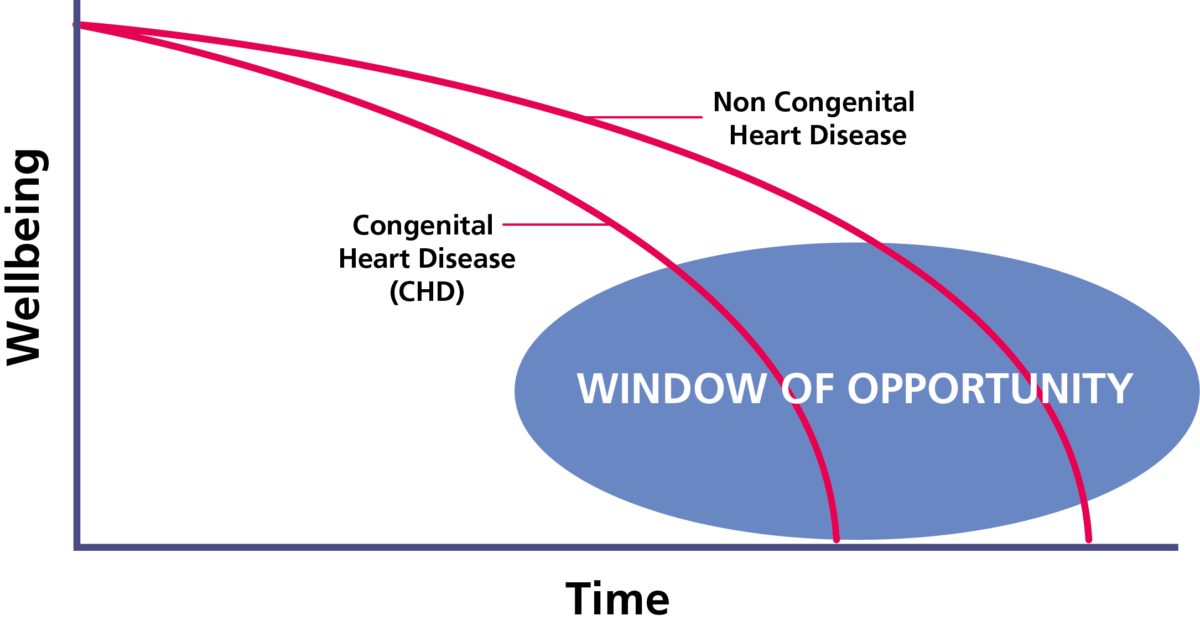
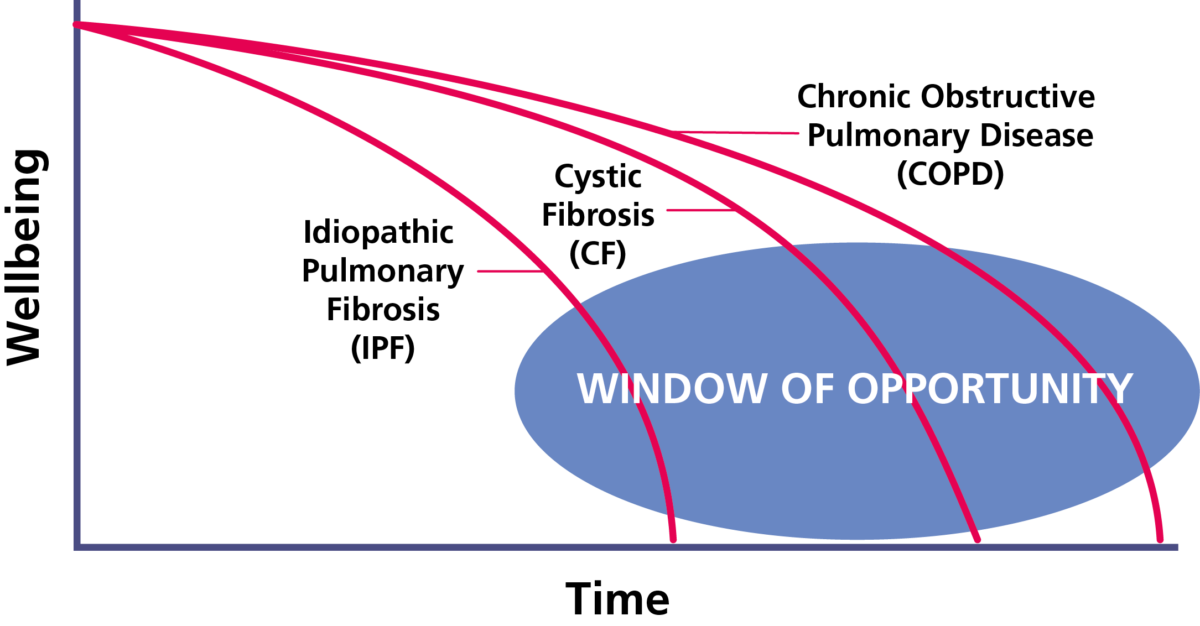
    • Whether you are in the ‘window of opportunity’ which would require a transplant
    • If you require further investigations
    • If you are presently ‘too good’ for transplant
    • If you are a suitable candidate for transplant
    • If you are ‘too sick’ for a transplant
    • If transplant is an avenue that you want to pursue

    You will not be on the transplant waiting list at the end of the assessment visit. There will be a number of vaccinations you will need to have locally and a dental check up to make sure your oral health is good.

    You will be only be accepted onto the transplant waiting list if the benefits of a transplant outweigh the risks.

    If you are not accepted onto the list then the transplant team will give you a full explanation and advise on what to do next.

    The ‘window of opportunity’

    The transplant team will try to put you on the waiting list at the most appropriate time. We don’t want to put you on the list too soon if we think you can survive a bit longer with your own heart.

    We need to put you on the list when you are in the ‘window of opportunity’. This means that you are sick enough to need a transplant, but still fit enough to wait for a suitable donor. This may also mean assessing the impact your heart disease is having on other organs which can impact on timing for heart transplant as well.

    No one knows how long you’ll have to wait, and it’s very important that you remain as fit as you can while waiting for your transplant.

    If you become too sick while waiting for a donor, we may have to remove you from the list as you may not be fit enough to go through the operation.

    The ‘window of opportunity’

    The transplant team will try to put you on the waiting list at the most appropriate time. We don’t want to put you on the list too soon if we think you can survive a bit longer with your own lungs.

    We need to put you on the list when you are in the ‘window of opportunity’. This means that you are sick enough to need a transplant, but still fit enough to wait for a suitable donor.

    No one knows how long you’ll have to wait, and it’s very important that you remain as fit as you can while waiting for your transplant.

    If you become too sick while waiting for a donor, we may have to remove you from the list as you may not be fit enough to go through the operation.

    Preparing for the assessment visit

    On the week of your assessment visit, you should at the hospital on Monday between 10.30 – 11.00am where possible, depending on where you’re coming from and how you’re travelling to the hospital.

    Getting to the hospital

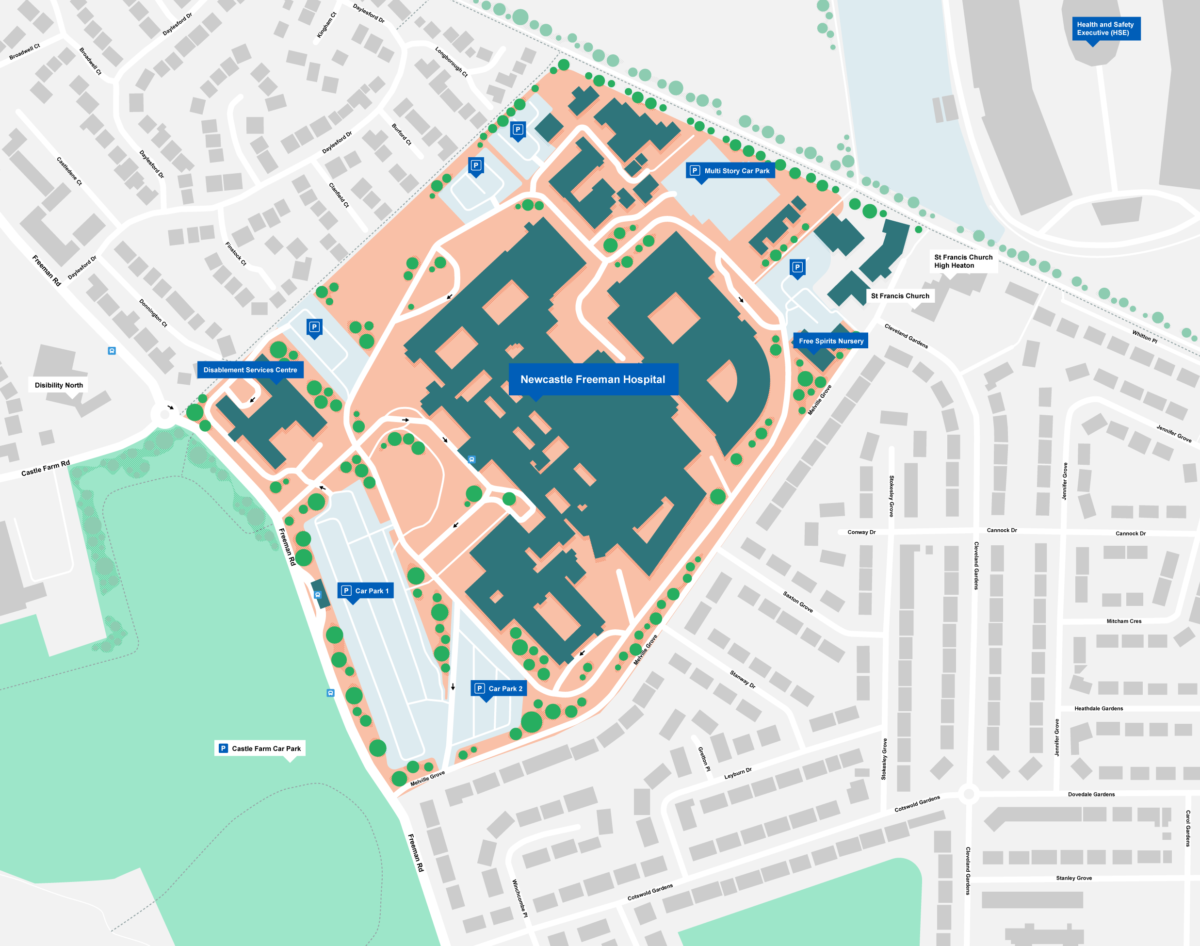
    The address for the Freeman Hospital is: Freeman Road, High Heaton, Newcastle upon Tyne, NE7 7DN.

    Find the Freeman Hospital on Google maps.

    If you’re travelling from outside of the area, you may require transport to be organised by your consultant secretary or GP.

    Hospital map

    Parking

    If you need parking during your stay, there are 2 large car parks available at the hospital. Once you have paid for a parking ticket take it to the reception desk at cardio entrance, if you have a blue badge and you may be eligible for discount.

    There are also disabled parking facilities for blue badge holders.

    Oxygen

    If you need oxygen, bring enough with you for the journey to and from Newcastle. We can provide refills for some oxygen cylinders but we are unable to provide you with hospital cylinders to travel home with You are advised to use hospital oxygen whilst within the hospital grounds.

    Where you and your carer will stay

    During the assessment visit, you’ll stay in the Freeman Hospital as an in-patient. We have a small number of basic flats on site, we can accommodate only 1 carer per patient, the bathroom and kitchen facilities are shared with other carers. We can also provide a list of nearby hotels and B &B’s if preferred.

    On the ward

    You will stay on the ward for the duration of your stay. Your carer will be able to be with you for some of the time you are with us. There may be times when we ask you to leave the ward if required for patient privacy. Visiting times are 10am – 8pm, visitors may be asked to leave at meal times or during busy periods. Please check with the transplant co-ordinator when your carer needs to be present on the ward.

    If you require any additional support from your carer whilst at the Freeman please contact a co-ordinator prior to admission.

    A panoramic image of the corridors of a ward in the Freeman Hospital.

    Carer flats

    Your carer can stay in a nearby hotel or B & B or in the hospital flats if available. They cannot stay in the hospital with you.

    Asking questions during the assessment visit

    You and your carer should use the assessment visit as an opportunity to ask as many questions as possible. Our team are here to help and guide you through this process.

    As you’re working through the content on this website, you might think of questions you’d like to ask during the assessment visit. Write them down somewhere and bring them with you to the Freeman.

    Some tips from some of our previous patients:

    • come prepared with any questions you have, written down so you don’t forget to ask
    • take notes so you can remember things later
    • take some time to chat to your carer (and share notes) every evening about what you’ve learned that day
    • don’t worry if you think of a question you’d like to ask after the assessment visit is over – you can call the Transplant Team and they’ll help

    Your support network

    This chapter covers information about your carer and wider support network. It includes:

    • What the role of the carer is
    • What responsibilities the carer has
    • Carers taking time off work
    • Carers taking time to rest and recuperate
    • Talking to your family, including children, about your transplant

    Remember, both you and your carer should work through the content in these chapters. You can do this together, or separately.

    At the end of the chapter, we’ll ask for your feedback. This helps us to understand whether we’ve explained everything clearly.

    Your carer

    It’s important that you have appropriate care and support throughout your transplant recovery.

    We do not know how long your recovery will take, and your carer will provide essential practical and emotional support throughout your admission.

    Most patients choose their partner, a close family member, or a close friend to be their carer.

    Your carer is likely to be your nominated next of kin.

    Your carer is a crucial part of your recovery team. If you are concerned about your carer support at any time during your transplant experience, please discuss with a member of the transplant team.

    Carer responsibilities

    It’s important that your carer is well informed of all the details of the transplant process. They will need to attend the assessment visit with you at the start of your transplant journey.

    Your carer will then be required to be present at the hospital throughout most of your post-transplant recovery.

    Throughout your recovery, your carer will support you with your practical and emotional needs. As someone you’re close to, they will also provide vital encouragement and motivation.

    During your initial recovery on the Intensive Care Unit, ward staff may need to discuss your progress and treatment with your carer if you are unable to communicate yourself.

    As you continue your recovery on ward 38, your carer will have a greater role supporting your practical needs and gradual rehabilitation.

    You and your carer will learn about your transplant recovery together as you gradually prepare to return home. You’ll have a number of education sessions with the nursing staff, who’ll explain your medication regime and how to look after your transplanted organ. There’s a lot of information to take in, so it’s important that your carer is with you during all of these sessions.

    Your carer will be required to keep to the visiting times of the different wards you’ll be on during your recovery.

    Carers taking time off work

    Your carer may be required to take time off from work during your recovery, or to make arrangements for the care of other family members.

    It’s important that you’ve made plans to enable your carer to be with you throughout the process, and these may have to be revised depending on the length of time you’re on the transplant waiting list.

    It may be possible to share some of the responsibility of the carer role with another close family member or friend, especially if your admission is a long one.

    Rest and recuperation

    This process can be stressful for carers. They’ll have supported you throughout your time on the waiting list and through the operation. They’ll now be concerned about your recovery. They’re also dealing with being away from home themselves.

    Carers should regularly take time to rest and recuperate.

    There’s easy access to walks, gyms and shops from the hospital. Should your carer need to see a G.P. during their stay, they can register at one of the local surgeries as a temporary resident.

    The transplant team is here to support your carer too.  You and your carer will have met with the transplant team social worker during your assessment, and they will be available during your admission for advice and support.

    Our transplant psychology service runs a monthly Carers’ Café, which provides an informal setting to meet with other transplant carers.

    Talking to your family

    It can be difficult to talk to your family about your illness and your assessment for transplant.  

    Your closest family and friends will be very concerned but may not know what to say and may not understand the implications of being referred for transplant.

    If you have young children, it can be especially difficult to talk to them about transplant and to know how much to share with them. They may see transplant as a quick fix to make you better and wonder why you have not had your transplant yet. It’s always a good start to ask your child about what they understand and what they want to know. The conversations may be difficult, but your child will know that they can always share their feelings with you. Your child’s school may also have a good pastoral service you can access. If you’re still concerned about your child you may wish to discuss additional professional support with your GP.

    It may be helpful if you share this website with those closest to you, or work through the content here together.

    If you want further advice and support, please talk to a member of the transplant team.

    Survival figures

    If you’re offered the opportunity to be placed on the transplant waiting list, it’s because the team feel that your lung disease is at a stage where it could be a risk to your life within the next 2 years, and there are no other medical options that could reduce this risk.

    Transplantation is not a cure, and can bring its own problems and risks to your wellbeing.

    In this chapter, we’ll talk about survival figures. We’ll cover:

    • survival figures after a transplant operation
    • the ‘window of opportunity’ for an operation

    At the end of the chapter, we’ll ask for your feedback. This helps us to understand whether we’ve explained everything clearly.

    Survival figures after the operation

    We would expect 80% of patients to survive the first 12 months after lung transplant. Or, out of every 5 patients transplanted, 4 will survive the first year.

    Transplanted lungs do not last an average lifetime.

    We would normally expect 65% of our patients to survive for 5 – 7 years, and 40% of our patients to survive for 10- 15 years.

    There are patients who live much longer (for 15 years or more), but these patients are unfortunately in the minority.

    Survival figures after the operation

    We would expect 87% of patients to survive the first 12 months after heart transplant.

    Transplanted hearts do not last an average lifetime.

    We would normally expect 75% of our patients to survive for 5 years, and 55% of our patients to survive for 10 years.

    There are patients who live much longer (for 15 years or more), but these patients are unfortunately in the minority.

    Preparing for the active list

    After the transplant assessment, you may be told that you’ve been accepted onto the transplant waiting list. 

    If that happens, there are some things you’ll need to do to prepare for being on the active list.

    This chapter covers:

    • being accepted onto the waiting list
    • meeting with the surgeon and anaesthetist (in person or over the phone/on a video call)
    • dental care and vaccinations
    • domestic arrangements, like pet and child care
    • preparing and packing your hospital bags
    • telling your co-ordinator you’re ready

    At the end of the chapter, we’ll ask for your feedback. This helps us to understand whether we’ve explained everything clearly.

    Meeting with the surgeon and anaesthetist

    If you’re accepted onto the waiting list, you will meet a surgeon and an anaesthetist.

    The surgeon will go through the operation consent process with you. 

    One of our anaesthetists will talk to you about the anaesthetic and pain relief.

    You will have the opportunity to ask any questions about your surgery and recovery.

    Please note that the surgeon and anaesthetist you meet won’t necessarily be the ones that will be meeting at the time of your transplant.

    Dental work and vaccinations

    If you’re accepted onto the waiting list, your co-ordinator will phone you and send an information pack to you through the post.

    This pack will contain:

    • a letter for your GP, which will instruct them to bring you up to date with certain vaccinations
    • a letter for your dentist, which will ask you to have a dental check-up if you haven’t recently had one

    All dental work needs to be carried out before you are activated onto the list. Any teeth which could cause infection after the transplant need to be removed.

    We’ll ask your GP to prescribe the necessary mouthwash for you to maintain good oral hygiene. Mouthwash can occasionally cause discolouration of the teeth, if this is the case, you can dilute the mouthwash or alternatively, you may buy a good quality mouthwash if you wish.

    Domestic arrangements

    When you get called in for a potential transplant, it will be with short notice.

    You should make arrangements for your children and pets to be cared for in your absence.

    Checklists are useful for planning tasks in advance. Your list may include:

    • turning off the heating and water
    • stopping milk and newspaper deliveries
    • emptying the fridge
    • finding care for children and or pets

    A neighbour or friend may attend to these while you’re away. 

    You’ll need an appropriate supply of any medication you’re taking. It’s also important to bring any medication that your carer will need, as the hospital cannot supply their medications.

    Your hospital bags

    If you get called in for a transplant operation, you will have to leave home in a hurry. It’s a good idea for you and your carer to pack a hospital bag in readiness for your transplant.

    Please remember that storage space is limited.  

    The following list suggests some basic items you should pack:

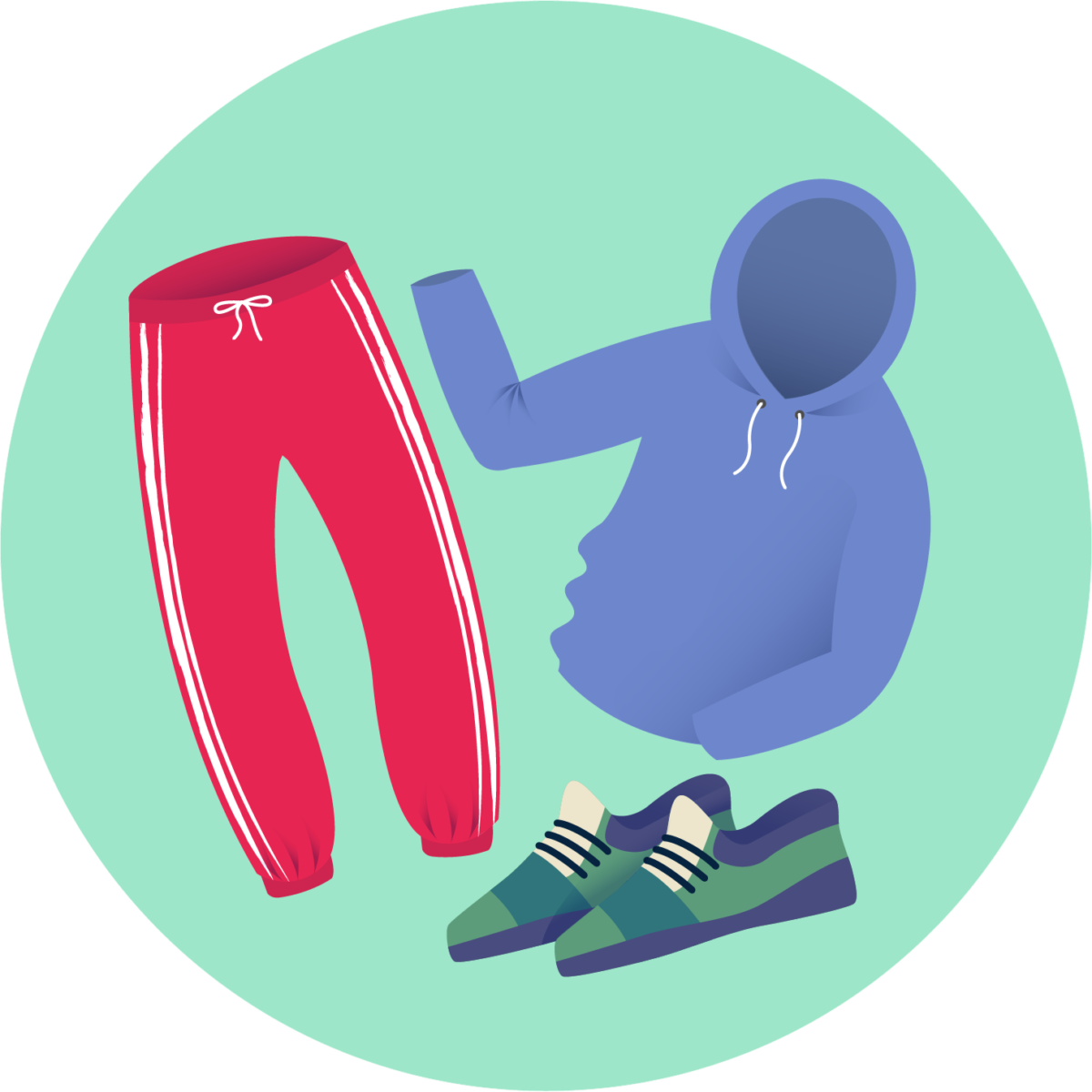
    Pyjamas.
    Entertainment like books and games.
    A dressing gown and slippers.
    Comfortable clothing.
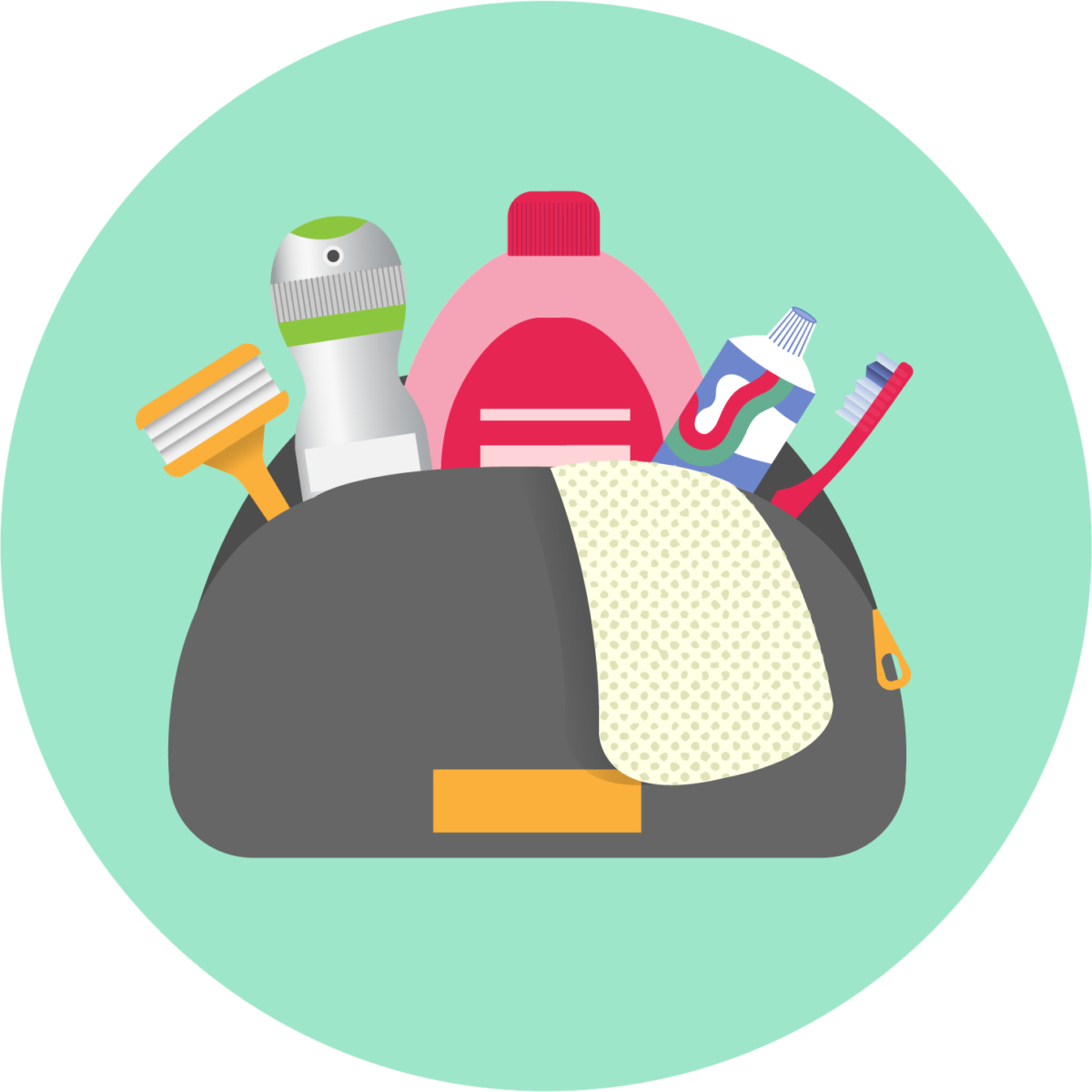
    Toiletries.
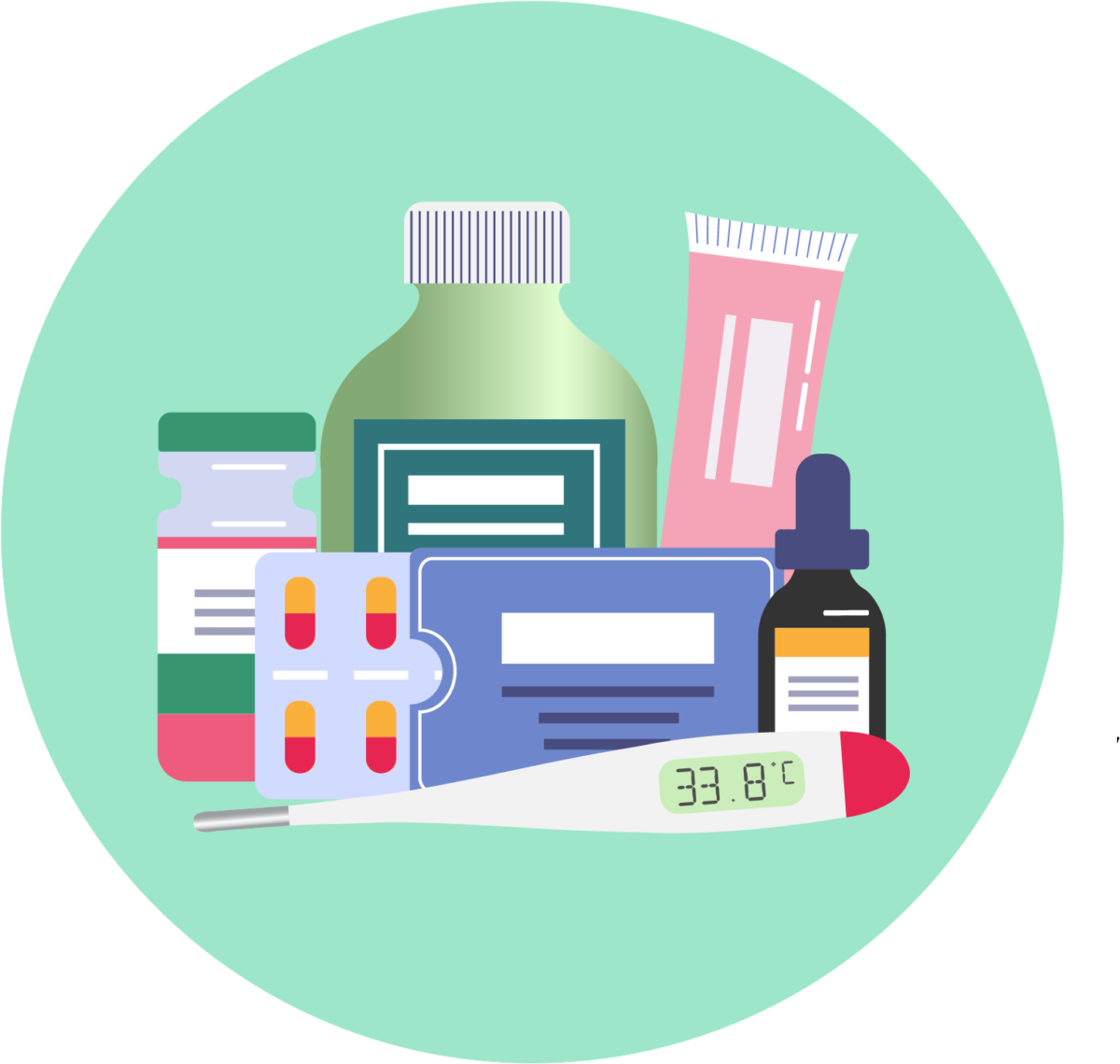
    Any medications you need.

    Staying in our flats

    If you’re coming from out of town, you may be staying in our flats after your initial recovery on the ward. You might want to pack essentials for living in self-catering facilities, such as food and cleaning products.

    Food and cleaning supplies.

    There is a well-stocked shop at the hospital, and local supermarkets are within a 10-15 minute walk. Bedding and crockery are provided.

    Notifying your co-ordinator

    Once you have completed your list of jobs, ring your coordinator and let them know.

    Your co-ordinator will be waiting for some blood results before they can activate you onto the list. This process usually takes approximately 4 weeks. The microbiology team may also be analysing your sputum and creating a cocktail of antibiotics which will be given to you at the time of your transplant, this may also take a few weeks to put into place.

    Once the co-ordinator has these results available they will ring you and make sure that your vaccinations and dental check is up to date. At this point you will go “live” on the active list.

    Life on the waiting list

    If you accept a place on the transplant waiting list, there are some things you’ll be asked to do. These things will help to maintain your health, and make your recovery after the transplant smoother.

    This chapter covers the main things we will ask you to do, including:

    • maintaining a healthy diet
    • looking after your dental hygiene
    • making sure you have relevant vaccinations
    • making sure the medication you’re taking is correct
    • treating infections

    If any of your circumstances change when you’re on the waiting list, or if you just want a chat, you can contact the transplant coordinators at the Freeman Hospital.

    At the end of the chapter, we’ll ask for your feedback. This helps us to understand whether we’ve explained everything clearly.

    Waiting list categories

    The transplant waiting list is different from other surgical waiting lists. You do not start at the bottom of the list and work your way to the top. Organs are offered to patients who are the best size and tissue match, starting with the sickest patient first.

    The active list is split into 2 categories, routine and priority. Those patients who are the most sick will be placed on the priority list. Other patients who are a bit more stable will go onto the routine list.

    If your condition deteriorates while you are waiting for your transplant, you must let the co-ordinators know.

    There is a national urgent waiting list for very sick patients, there is very strict criteria to meet before a patient can be placed on the urgent waiting list, but it does give the sickest patients a chance of being transplanted before they become too unwell.

    Carrying on as normal

    While on the waiting list you must try to carry on a normal.

    It’s important that you maintain your fitness by attending pulmonary rehab classes where possible, or doing gentle exercise at home. You also need to make sure you continue to follow a recommended diet to maintain a healthy weight. You will be told what a healthy weight is for you when you come in for assessment.

    While on the waiting list you are able to go away on holiday if you wish. We are still able to call you in for a transplant from anywhere in the UK but please let the co-ordinators know if you are planning to stay a long way from your home address. Holidays abroad are also permitted, however we would not be able to call you in for a transplant while you are out of the country.

    Keeping in touch

    The transplant team at the Freeman will keep in contact with you while you are on the list. We will try and review you in either a video appointment or telephone consultation. 

    We need to make sure you are still fit enough for a transplant and no new issues have occurred.

    Your referring team are still in charge of your care while you are waiting on the list, and they should make regular appointments to see you.

    If you become unwell you must contact your GP or local team for advice. You should also inform your transplant co-ordinator of any changes in your condition.

    It’s important to inform the co-ordinators if you need antibiotics for any reason, as we would not be able to transplant you if you have an active infection. When you complete the course of antibiotics please ring the coordinators and let them know.

    Donors

    The one thing we cannot answer, is how long you will wait until you get your transplant.

    We understand that it’s a very frustrating time and can lead to feelings of despair, stress and anxiety. It’s very difficult to remain positive while your condition is deteriorating, and carers too can often experience feelings of frustration and uselessness. Please remember that the co-ordinators are always available if you want some reassurance or are worried. We’re always happy to lend a listening ear.

    This chapter covers information about:

    • how many donated organs we get
    • how often we’re able to do transplant operations
    • donors and their families
    • donor organs, including different types of donor organs and the risks associated
    • feeling mixed emotions about waiting for a suitable donor organ

    At the end of the chapter, we’ll ask for your feedback. This helps us to understand whether we’ve explained everything clearly.

    Frequency of donations and operations

    On an average month, approximately 85 heart and lung offers are made. Most of these offers are not suitable for transplantation and are turned down.

    During an average month, approximately 12 -14 organs are considered good enough to set up as a potential transplant. This is when a patient is called in to the Freeman in preparation for surgery. Approximately half of these cases will proceed to a transplant, although numbers can vary from month to month.

    The quality of the organs we use must be of a very high standard and are inspected thoroughly before being accepted.

    Donor organs

    When we discuss your transplant we often use the term “new organs”. It’s important to remember that the organs we are offered for transplant have belonged to someone else.

    There is a national shortage of organs available for the number of people waiting. The acceptance criteria for organs has changed over the years in order to increase the number of transplants performed. These changes have only been made after in-depth research has taken place.

    When being offered lungs or a heart, the following criteria are considered acceptable for use:

    • organs from a donor who is a recent or ex-smoker
    • lungs from a donor up to 75 years of age, or a heart from a donor up to 65 years of age
    • organs from a donor with a malignancy (cancer) which has very low risk of transmission
    • organs from a donor with a significant bacterial or viral infection which is considered to be of low risk
    • organs from a donor who may have injected drugs or had high risk sexual behaviour    
    • Lungs preserved for transplant using the 10 degree fridge  
    • Hearts from a DCD donor and placed on the OCS machine
    • Lungs which have been place on EVLP for re-conditioning     

    It doesn’t matter if your donor is male or female or the ethnicity of your donor. Your donor will be matched to your blood group, size and tissue typing.

    Matching you to a donor

    When you’re placed on the waiting list, you’re listed according to what operation you need. For example, double lung transplant ,single lung transplant., heart-lung or heart only.

    Other important information we need to document is your:

    • blood group
    • height
    • weight
    • total lung capacity for lungs
    • Right heart catheter results for hearts

    We’ll also need the results of your tissue typing blood test (HLA). This is what helps us match you with the most suitable donor.

    Risks from different donors

    When you’re accepted onto the transplant list, you’ll be given some information about different types of donors.

    The information describes the risk to you if you accepted organs from each of these categories. The risk is very small but you should take the information home with you and read it carefully. You can ring your co-ordinator and discuss anything that you might not understand.

    You will also be given a form to complete which will allow you to decide if there are any donors in these categories that you would not like to accept. You can always change your mind about your choices but it is important to remember that the more donors you decline the less offers you will get.

    All organs are thoroughly inspected by a team of transplant surgeons before being accepted for use and we would not accept anything we didn’t think would be good enough for you.

    Your donor

    All donors will have been cared for in an I.C.U. setting.

    Whatever happened to your donor, every effort will have been made to help them recover. Sadly, their I.C.U. team made the decision that any further care would be futile.

    At this point, the donor’s family will be approached to discuss organ donation.

    If the family agrees to donation, the National Organ Transplant Office is notified and they then allocate the organs appropriately to each transplant centre.  

    Mixed emotions

    You may experience very mixed feelings when you go onto the active list.

    You may feel proud and excited that you’ve been listed, but also scared about what is to come.

    Many patients say they have feelings of guilt about the donor and that they feel “bad” about waiting for someone to die in order to let them live.

    It’s important to recognise that your donor will die regardless of your need for a transplant. The donor’s family have offered their loved one’s organs as a gift and it gives them hope and strength during their tragedy.    

    Being called in for a transplant

    This is the last chapter in section 1 of the workbook. It covers the process of being called in for a transplant if a suitable donor organ becomes available. Including:

    • How we will tell you
    • How you will get to the Freeman Hospital at short notice
    • Where your carer will stay while you’re in hospital
    • When you should tell your family and friends

    At the end of the chapter, we’ll ask you for some feedback. This will help us know whether we’re explained everything clearly.

    When a donor organ becomes available

    When a donor organ becomes available, the transplant team at the Freeman Hospital will be notified.

    Once the co-ordinator and surgeon on call have decided that the organ sounds good enough, a suitable patient is chosen from the waiting list.

    The way to decide who is going to be the suitable recipient is as follows:

    • height
    • weight
    • blood group
    • tissue typing (HLA)
    • clinical need

    Based on blood group, size and tissue typing, a number of patients could be suitable for that particular donor. The sickest of these patients is chosen first.

    If you are on the national urgent waiting list the central donation hub will contact the transplant coordinator with an offer for you specifically.

    If you’re chosen, the co-ordinator will telephone you.

    How we’ll tell you

    There are eight transplant co-ordinators who work as part of the transplant team at Newcastle. Each co-ordinator takes turns to be on call for donor offers.

    You could be called by any one of the co-ordinators who work on a rota system, not necessarily the co-ordinator you met during your assessment.

    The co-ordinator will ring you on either your landline or mobile phone. This call could happen at any time, day or night, so it’s important to keep your phone nearby, switched on and charged at all times.

    When we call, we’ll ask if you are fit enough to come in for transplant. For example, do you have any new coughs, colds, temperature, antibiotics, or any new issues.

    If you have a current infection, we would not bring you in for transplant as it would not be safe to do so. This is due to the anti-rejection medication (immunosuppression) that we give you at the time of transplant, which reduces your chance of fighting infection.

    The co-ordinator will also let you know if you need to be nil by mouth at this point.

    Getting to the hospital

    Once you go onto the active list, it’s important to have your bags packed and ready. We recommend that you should be able to leave the house within approximately 30 minutes, however timings can vary with each offer. The co-ordinator will discuss timings when they phone.

    Travelling in an ambulance

    You may be advised that we need to bring you in quickly, in which case the co-ordinator can arrange transport via blue light ambulance or air ambulance. 

    If your operation does not go ahead, you may have an extended stay at the Freeman Hospital while we wait for an ambulance to become available to take you home. This could be a number of days. 

    Driving

    If timings allow, you can choose to drive to the Freeman if you would prefer.

    The added advantage of this is if the transplant does not go ahead, you have your own transport to get back home. 

    Accommodation for your carer

    When you come in for your transplant, it may be possible to provide accommodation for your carer, this unfortunately cannot be guaranteed. We cannot accommodate more than one carer per patient. Your carer can also arrange to stay at a nearby hotel or B&B if that’s more suitable.

    Once you’re discharged from the hospital, you can stay with your carer at the flats or in private accommodation nearby.

    Contacting family and friends

    Do not call too many people when you receive the call for a possible transplant.

    There’s always a chance that the donor organs may not be suitable, and you’ll be sent home again.

    It’s best to wait before you tell people, until we can definitely tell you the operation is going ahead. 

    Your carer will have plenty of time to make calls while you’re having the operation.

    Research and new technologies

    OCS machine

    EVLP

    10 degree fridge

    EXPLANT

    F- Custos

    What to expect once you arrive

    This chapter details what to expect once you’ve been admitted to the Freeman Hospital. We’ll cover:

    • being admitted to the hospital
    • being prepared for operation
    • how the donor and the donor organ is assessed
    • what happens if the donor organ isn’t suitable
    • what happens if the donor organ is suitable
    • what your carer should do while you go into theatre

    At the end of the chapter, we’ll ask for your feedback. This helps us to understand whether we’ve explained everything clearly.

    Being admitted

    Before you set off for the hospital, we’ll tell you which ward to go to. On arrival, a member of the nursing staff will admit you, usually to a bed in the cardiothoracic centre or to ward 38 in the IOT. 

    You’ll meet one of the transplant co-ordinators who’ll update you with the progress of the transplant.

    A doctor will ask you questions about your health and medication. They’ll also take blood samples.

    Clinical observations – such as temperature – will be checked, and you’ll have some tests like a CXR and an ECG.

    The nursing staff will help you with a shower or bedside wash in antiseptic lotion. The staff will guide you in what areas will need to be shaved pre-op. You’ll be asked to wear a theatre gown and TED stockings.

    The donor organ

    Whilst the ward staff are getting you prepared, the transplant co-ordinator will be organising a team of surgeons who’ll travel to the hospital where the donor is being cared for.

    Their job is to assess the quality of the organs, and decide if they’re suitable to use for your transplant.

    Before this assessment can take place, the donor has to be moved from the intensive care into theatre at the donor hospital. The donor co-ordinator then organises the surgical teams who are there to assess all of the organs that have been offered. This process often takes a number of hours and quite often there are delays in the process.

    Assessing the donor organ

    The surgeons who inspect the lungs will usually perform a number of tests before they actually visualise them.

    They may perform a bronchoscopy on the donor, which involves passing a fine tube down the windpipe and into the lungs. This will help them determine if there is any inflammation or infection present. The next stage is to open the donors chest and physically make an inspection. The surgeons are looking for any signs of disease. They’re checking to see how the lungs are expanding, and levels of oxygen in each part of both lungs is also checked.

    Once this inspection has taken place, the surgeon will ring the co-ordinator, who’ll then pass on the information to the transplant surgeon at the Freeman. From there, a decision is made whether to use the lungs or to turn them down. Once we have that information, the co-ordinator will come and inform you.

    This process can take many hours. The co-ordinator will give you any updates as time goes on, but it’s not always easy to predict the exact time you’ll find out if your transplant is going to happen.

    We understand that this is a very stressful time for you and your family. You may have been called in the middle of the night and had an uncomfortable journey getting to the Freeman. You’ll probably be feeling very tired and anxious.

    Assessing the donor organ

    The surgeons who will inspect the heart will usually perform a number of tests before they actually visualise it.

    They may perform a cardiac catheter test to assess the function of the heart. This gives us a idea of how well the heart is pumping blood around the body. The surgeon will then open the donor chest as assess the heart for signs of disease or coronary artery disease.

    Once this inspection has taken place, the surgeon will ring the co-ordinator, who’ll then pass on the information to the transplant surgeon at the Freeman. From there a decision is made whether to use the heart or to turn it down. Once we have that information, the co-ordinator will come and inform you.

    This process can take many hours. The co-ordinator will give you any updates as time goes on, but it’s not always easy to predict the exact time you’ll find out if your transplant is going to happen.

    We understand that this is a very stressful time for you and your family. You may have been called in the middle of the night and had an uncomfortable journey getting to the Freeman. You’ll probably be feeling very tired and anxious.

    If the donor organ is not suitable

    If the decision is made not to use the donor organ, we appreciate that you’ll feel very upset and disappointed. Sometimes patients can experience a feeling of relief too. You and your carer will have very mixed emotions at this time.

    The transplant co-ordinator will explain the reasons for not accepting the organ.

    We only accept donor organs that we feel are good enough for use. A large number of organs are declined either at offer, or inspection, and only the very best are accepted for use in transplant. 

    Remember that you may be called in for ‘no go’s’ before we find the organ that is suitable for you. You may be lucky and transplanted on your first call, however the highest number of calls one person has received is 17!

    If the organ is not suitable for you, the co-ordinator will inform you of the reason. You’ll then be allowed to eat and drink until you are ready to go back home, depending on transport availability. 

    If the donor organ is suitable

    If the organ is suitable on inspection and the transplant can go ahead, we’ll inform you. 

    We may ask you to take some anti-rejection medication before moving you to the anaesthetic room. Your carer can accompany you to the theatre reception. 

    Once you’ve been handed over to the anaesthetic team, they will then be in charge of your care.

    The Transplant Co-ordinator team is primarily involved in the assessment, listing and transplantation phases of the patient’s journey. Following transplant, responsibility for the patient’s ongoing care and clinical management transfers to Intensive Care Team and Transplant Physicians.

    Your carer

    We’ll take contact details from your carer, which will be passed onto the intensive care staff. We’ll ensure they have somewhere to stay and they’re aware of the next stages. 

    Intensive care will phone when your carer once the operation is over and you’ve been transferred to ward 21 (intensive care).

    Different types of operations

    This chapter covers information about the transplant operation, including the different types of operations you might have.

    Some of the information included in this chapter goes into detail about how the operation is performed. Wherever this type of content appears, it will be ‘hidden’ like in the example below:

    This is an example of some hidden content, click to reveal it

    Content that includes sensitive descriptions of surgery will usually appear like this.

    Some patients are more comfortable with this type of content than others. Some are happy to read it alone, and others prefer to have a friend or family member with them for support. You should decide what’s right for you before starting this chapter.

    What kind of operation you will have

    The transplant team will talk to you about the type of transplant that you need. This will depend on the nature of your illness, the results of various investigations and the likely outcome after the transplant.

    Heart transplants

    For heart transplant recipients, all cases will undergo what is known as an orthotopic heart transplant, where the recipient’s heart is removed and replaced with a donor’s heart.

    Lung transplants

    Lung transplants can take a variety of forms. Sometimes transplantation of just one lung is required, leaving one of the recipient’s own lungs in place. However, this is not appropriate or suitable for everyone.

    Most frequently, a bilateral (or double) lung transplant is performed. This is where both lungs are removed and replaced with two lungs from the same donor.

    Heart-lung transplants

    Sometimes it’s necessary to transplant the heart and both lungs together, because the heart has been affected by the lung disease or vice versa. This is known as a ‘heart-lung transplant’. These operations are very rare in practice but necessary in some cases. Very few suitable donor organs are available for this operation, as priority is generally given to people who need an urgent heart transplant or an urgent lung transplant. This means that combined heart and lung organs from the same donor are infrequently available.

    You can find more information about heart-lung transplants on the NHS website.

    Heart transplant

    A heart transplant needs to be carried out as soon as possible after a donor heart becomes available. The time which the donor heart is without a blood supply (the ischaemic time) is very important and must be kept as short as possible – usually less than 3-4 hours. The transplant will therefore be co-ordinated to minimise the length of time between the heart being removed from the donor and the heart being re-attached in the recipient.

    If the donor heart has been accepted from a DCD donor it will be placed on the OCS machine and accessed for suitability. This technology can help extend the time available to transport the heart.

    A heart transplant is carried out with you unconscious under general anaesthetic, and normally takes between 4 and 6 hours to perform.

    The heart transplant operation

    This page contains graphic descriptions, images, and video of the heart transplant operation.

    If content of this nature makes you uncomfortable, we recommend that you and your carer cover this information together. You can also seek support from your transplant co-ordinator.

    Clicking the drop-down arrows below will reveal some text that describes the heart transplant operation in detail.

    The operation is begun by making a vertical incision down the middle of the chest and dividing the sternum bone to access the heart. This is the same incision that is used for routine heart surgery such as bypass grafts and valve replacements. Many patients undergoing heart transplantation have had previous cardiac surgery and in these cases the same incision is re-opened. If you have had previous surgery a cut in the groin may also be made to access the artery and vein in the leg which might be needed for the surgery as a site to connect the heart-lung machine.

    During the operation, you will be connected to a heart-lung (cardiopulmonary) bypass machine, which will take over the functions of the heart and lungs while the transplant is being carried out. The machine drains venous blood from your body and then pumps oxygenated arterial blood around the circulation during the time that the heart transplant is taking place.

    Your diseased heart is then removed by dividing the left atrium chamber of the heart into which the veins draining blood from your lungs enter (pulmonary veins). The main arteries to the lungs and the rest of the body are then divided (pulmonary artery and aorta) and finally the large veins that bring blood to the heart from the upper and lower halves of the body are divided (superior and inferior vena cava).

    The donor heart then arrives in the theatre and is joined to you by connecting the structures that have been divided – the left atrium, the pulmonary artery, the aorta and then the superior and inferior vena cava.

    Once all the connections have been made the surgeon will restore the blood supply to the heart and the new heart will begin to beat.

    When the heart is beating normally you will be separated from the heart-lung bypass machine and the new heart will take over the circulation, pumping blood around your body again.

    After dealing with any bleeding from the operation, temporary pacemaker wires are attached to her heart and drains are inserted to remove any blood or air from the chest in the hours after surgery. A pressure line may also be placed directly into the heart to help the ITU doctors manage you after the operation.

    The pacemaker wires, drains and pressure line are all easily removed on the ward in the days after surgery.

    A thin, flexible tube called a catheter will also be inserted to drain your bladder during and after the operation.

    Your breastbone will be closed with stainless steel wires, and the tissues and skin will be closed with stitches. Your bone will actually knit together over about 6-8 weeks in the same way as a broken arm but the wires remain permanently in place.

    You will then be transferred to the intensive care unit, still asleep from the anaesthetic where your condition will be carefully monitored.

    Heart transplantation is a major operation and so has a significant risk of complications. The risk of dying ater surgery within 30 days is usually around 15% but may be less or more depending on individual circumstances. If you have had a ventricular assist device implanted ahead of your transplant the risk of mortality is greater.

    A. Primary graft dysfunction – This complication can occur in 20% of recipients. This means that the donor heart does not function as well as we had hoped at the end of the surgery. As a result the heart cannot deliver enough blood flow to your body. The treatment of this complication involves connecting you to a machine called ECMO (extra-corporeal membrane oxygenation) which allows oxygenated blood to be circulated around the body. This allows us to rest the donor heart and give it time to improve. Once the heart looks likely to function sufficiently the ECMO machine can be removed. This is a serious complication that can lead to death if the heart does not recover after a period of time. Being on the ECMO machine has an adverse effect on survival and itself has complications such as sepsis, bleeding, and stroke. Most patients though can be weaned from ECMO.

    B. Anastomotic complications (such as narrowing) at the sites of the surgical stitching can occur but this is very rare.

    C. Injury to the phrenic nerve. This occurs in less than 10% of cases. The phrenic nerve supplies the diaphragm. If this is damaged the diaphragm may not work properly for a time or even permanently. As it is important for breathing you may be more breathless than we would anticipate. Sometimes the nerve recovers. If it does not there may be other treatment options available.

    D. Post-operative bleeding might occur and may require re-exploration in the operating theatre. This occurs in less than 20% of cases. Often bleeding can be treated successfully with blood products and drugs.

    E. Infections may develop in the wound, around the heart or elsewhere. The treatment of these may involve further surgery to drain any infection alongside powerful antibiotics.

    F. Complications involving the incision may occur including sternal dehiscence and infection. This might occur in less than 5% of cases.

    G. Other longer term complications of heart transplantation and the immunosuppressant drugs you will be required to take are dealt with in other chapters.

    Further reading

    You can find more information about heart transplants on the NHS website.

    Read more about what happens during a heart transplant operation.

    Lung transplant

    Single Lung transplant

    A single lung transplant is where a single damaged lung is removed from the recipient and replaced with a lung from the donor.

    This is often used to treat pulmonary fibrosis, but it’s not suitable for people with cystic fibrosis because infection will spread from the remaining lung to the donated lung.

    Double lung transplant

    A double lung transplant is where both lungs are removed and replaced with 2 donated lungs from the same donor.

    This is usually the preferred and most common type of lung transplant for all types of lung disease but in certain cases where your lungs are not infected (fibrotic lung disease or emphysema) we may recommend a single lung transplant.

    The time which elapses between the donor lung being removed and the point where blood is restored to the lung after transplantation should be a short as possible. This is called the ischaemic time. Usually we try to make this less than 6-8 hours where possible.

    It may be decided to place the lungs in the 10 degree preservation fridge. The fridge helps preserve the lungs for longer periods , extending the time available for transport and assessment. This may mean you will stay overnight in hospital and have your transplant in daylight hours the next day.

    During the assessment of the donor lungs, it may be decided to retrieve them and place them on EVLP. This will enable the surgeon to carefully evaluate the lungs and possibly improve their condition before deciding if they are suitable for transplant.

    You can find more information about lung transplants on the NHS website.

    The lung transplant operation

    This page contains graphic descriptions, images, and video of the lung transplant operation.

    If content of this nature makes you uncomfortable, we recommend that you and your carer cover this information together. You can also seek support from your transplant co-ordinator.

    Clicking the drop-down arrows below will reveal some text that describes the heart transplant operation in detail.

    The surgeon may choose to use one of two different incisions depending on their preference and the circumstances of your case.

    The first option is a sternotomy incision which is a vertical incision down the front of your chest. The other option is a horizontal incision made horizontally from one armpit to the other below both breasts.

    The operation will start before the new lungs arrive in Newcastle to minimize the ischaemic time.

    After opening the chest the surgeon will remove your lungs. This is often the most difficult part of the surgery as the lungs may be inflammed and stuck into the chest by scar tissue. In those who have had previous surgery the operation may have caused some dense tissue (adhesions) to form making the removal of the lungs more challenging.

    After freeing the lungs from the chest cavity they are removed by dividing the airway (bronchus), the artery taking blood from the heart to the lungs (pulmonary artery), and the veins that drain the blood from the lung back to the heart (pulmonary veins).

    During this process the surgeon may choose to use a heart-lung bypass machine (cardiopulmonary bypass machine) or ECMO (extracorporeal membrane oxygenation) machine to support your circulation and deliver oxygenated blood around your body whilst your lungs have been removed from your body. These machines are used routinely in other forms of heart and lung surgery.

    Once the donor lungs arrive back in the operating room from the donor hospital they are connected to you one lung at a time.

    This involves sewing the airway together and then sewing the artery and veins together to reconnect each lung to your heart.

    This process is then repeated on the other side.

    Once completed we begin to ventilate your new lungs allowing them to expand again with air and then separate you from the bypass machine/ECMO if used so that your new lungs are supplying oxygen to your body again.

    After dealing with any bleeding in the chest the surgeon will close the incision leaving chest drains behind to remove any excess blood and air during the first days after surgery.

    You then return to the Intensive Care Unit still under the anaesthetic so that we can wake you up slowly after a few hours to make sure that all is stable and satisfactory.

    We will monitor the function of the new lungs and when we are happy we will wean you from the ventilator and remove the breathing tube.

    Although the nerve supply to both new lungs is cut, your windpipe will still be able to send messages to your brain to make you cough after the breathing tube is removed. However, you must continue to make an effort to keep the lungs clear. The nursing staff and physiotherapist will help you with this.

    We will also monitor you for excessive bleeding in the chest after the surgery and treat this if need be. This might even require a return to theatre to deal with areas that are bleeding if it does not settle with other treatments we can give to make your blood clot.

    Lung transplantation is a major operation and inevitably there is risk and hazard involved. The 30 day mortality risk of lung transplantation is usually around 15% but could be higher depending on individual circumstances.

    There are a number of complications which may occur in the days following surgery :

    A. Primary graft dysfunction – This complication can occur in 20% of recipients. This means that the donor lungs do not function as well as we had hoped at the end of the surgery. As a result they cannot deliver enough oxygen to your body. The treatment of this complication involves connecting you to a machine called ECMO (extra-corporeal membrane oxygenation) which allows oxygenated blood to be circulated around the body. This allows us to rest the donor lungs and give them time to improve. Once the lungs look likely to function sufficiently the ECMO machine can be removed. This is a serious complication that can lead to death if the lungs do not recover after a period of time. Being on the ECMO machine has an adverse effect on survival and itself has complications such as sepsis, bleeding, and stroke. Most patients though can be weaned from ECMO.

    B. Anastomotic complications at the site of the surgical stitching can occur. This most commonly affects the airway or bronchus and may include bronchial dehiscence (breakdown), or stenosis (narrowing). Possible treatment options include further surgery or stenting. This can occur in less than 5% of cases.

    C. Injury to the phrenic and vagus nerves. This occurs in less than 20% of cases. The phrenic nerve supplies the diaphragm. If this is damaged the diaphragm may not work properly for a time or even permanently. As it is important for breathing you may be more breathless than we would anticipate. Sometimes the nerve recovers. If it does not there may be other treatment options available. The vagus nerve supplies the gullet and stomach. If this nerve is injured you may suffer from acid reflux. There are a variety of treatments available if this complication occurs.

    D. Post-operative bleeding might occur and may require re-exploration in the operating theatre. This occurs in less than 20% of cases. Often bleeding can be treated successfully with blood products and drugs.

    E. Infections may develop either in the donor lung or in the pleural space. The treatment of these may involve further surgery to drain any infection alongside powerful antibiotics.

    F. Complications involving the incision may occur including sternal dehiscence and infection. This might occur in less than 5% of cases.

    G. Other longer term complications of lung transplantation and the immunosuppressant drugs you will be required to take are dealt with in other chapters.

    Further reading

    You can find more information about lung transplants on the NHS website.

    Heart-lung transplant

    A heart-lung transplant is offered to people with both heart and lung failure.

    Very few suitable donor organs are available for this operation, and priority is generally given to people who only need a heart transplant.

    You can find more information about heart-lung transplants on the NHS website.

    The operation

    This operation is rare but combines elements of both the heart only and double lung transplants. It is done through an incision down the centre of the chest (sternotomy).

    During the operation for a heart-lung transplant, your heart and both lungs are removed whilst you are supported by the heart-lung (cardiopulmonary bypass machine). A portion of your own heart is left behind to attach the new heart in a similar fashion to a heart only transplant.

    The lungs are attached as a pair rather than separately and the airway is joined at the lower end of the windpipe (trachea) rather than to each bronchus as in a double lung transplant.

    The operation is conducted and concludes in the same way as for the heart and lung transplant operations described earlier.

    The transplanted organs will not have the usual nerve supply, so you will not feel irritation below the connection with your new lungs. Therefore, you will not be stimulated to cough spontaneously by the presence of infection or mucus in your lungs.

    It is important that if you feel mucus or fluid at the back of your throat you make a conscious effort to clear it. The physiotherapist will teach you various routines and techniques to help maintain a clear airway soon after your operation.

    Intensive care

    This chapter provides information about the Intensive Care Unit (ICU).

    You will be moved to the ICU after your transplant operation, and this is where you will wake up.

    This chapter covers:

    • being moved to the ICU
    • the machines that will surround your bedside in ICU
    • who will look after you in the ICU
    • how long you’re likely to be in the ICU
    • having visitors in the ICU

    At the end of the chapter, we’ll ask for your feedback. This helps us to understand whether we’ve explained everything clearly.

    Being moved to intensive care

    After the operation you’ll be moved to the Intensive Care Unit (ICU). You’ll be nursed in a single cubicle, with nursing staff in attendance at all times.

    Typical cubical in ICU.

    Vikrant Pathania, Consultant Cardiac Anaesthetist at the Freeman Hospital, explains a little more about the ICU and how the team provides post-operative care to transplant patients.

    ICU machines

    When you wake up in the ICU, your bedside will be surrounded by a lot of essential technical equipment. The equipment is there to help you recover, and allow the nursing staff to keep monitoring you. For a while, you’ll be kept sedated using drugs.

    Ventilator

    You’ll be attached to a breathing machine (ventilator) through a tube in your mouth, and will be unable to speak. You may need suction down this tube at frequent intervals. This can sound unpleasant and feel uncomfortable but it helps keep your chest clear.

    Gradually over a few hours, the sedation will be reduced and you’ll start breathing on your own. The tube will then be removed from your mouth and you’ll be able to speak. You’ll still need to breathe in oxygen through a facemask.

    Intravenous drips

    There will also be a few intravenous drips and machines at your bedside, and these will contain drugs which help maintain your vital signs (blood pressure and heart rate).

    Pain management

    Pain will be kept to a minimum by a continuous drip infusion of a pain-killing drug (this also makes you sleepy). An epidural drip may be inserted into you spine for pain control.

    Catheter

    At the time of the operation, we place a catheter into your bladder so we can monitor how your kidneys are working. This is normally removed after a couple of days.

    Drains

    You will have several drains in place. These are thin pipes which allow blood to drain in bottles. These will be removed after a couple of days.

    Who will look after you in the ICU

    In intensive care, you’ll be nursed in a single cubicle, with nursing staff in attendance at all times.

    Because of the risk of chest infection following a general anaesthetic, you’ll be visited frequently by the physiotherapist, who will help you with chest physiotherapy and breathing exercises. When you’re well enough, they’ll help you start gradual exercises around the cubicle.

    How long you will be in the ICU

    When your condition is stable enough, you’ll be transferred from the ICU to Ward 38, where you’ll spend most of your recovery period.

    This transfer normally occurs in the week after your operation, but this depends on each patient’s needs.

    Having visitors in the ICU

    A maximum of two visitors will be allowed into your room for the first seven days and this must be the same two people.

    Reducing the number of people entering your room reduces the risk of infection.

    Visiting times on I.C.U are 10 am – 2 pm daily. Children under the age of 16 years are not encouraged to visit this department.

    On the ward

    After the operation and your time in the ICU, you’ll be moved to a ward where you’ll spend the rest of your recovery.

    This chapter covers information about the ward, including:

    • what the ward is like
    • who will look after you on the ward
    • having visitors on the ward
    • what you will eat and drink on the ward

    At the end of the chapter, we’ll ask for your feedback. This helps us to understand whether we’ve explained everything clearly.

    Being moved to the ward

    When your condition is stable enough, you’ll be transferred to Ward 38 where you’ll spend the rest of your recovery period.

    This transfer normally occurs in the week after your operation. This depends on each patient’s needs.

    Ward 27a.

    Patients typically spend between 3 and 6 weeks recovering on the ward, before being discharged home.

    Food and drink

    We want your stay in hospital to be as comfortable as possible. All of the food we serve in the wards is cooked fresh on-site and we have a wide range of options for you to choose from, including dishes that cater to specific allergies/intolerances and to cultural or religious diets.

    Food on the ward

    On the ward, you’ll be provided with a menu questionnaire each week. You can fill this in to tell us what you’d like to eat, and also notify us about any allergens, intolerances, or special dietary requirements. You can see a sample menu questionnaire below:

    Chattery restaurant

    A warm welcome awaits staff, patients, and visitors at our Chattery restaurant, which is situated on level 1 of the main ward block. We serve both hot and cold meals, sandwiches, snacks and beverages. Food and drink is also available for takeaway. Opening times are as follows:

    • Breakfast served from 7:30am – 11am
    • Main meals served from 11:30am – 7pm

    Freeman shop

    We also have a shop, situated on level 2 near the main entrance of the hospital, which offers a large range of snacks, confectionery, and magazines. It also sells items like toiletries, groceries, and freshly-baked bread. Opening times are as follows:

    • 7:30am – 7:45pm, Monday to Friday
    • 8am – 7pm, Saturday and Sunday

    Having visitors

    Visiting times on the ward are usually 10am to 8pm.

    Visiting ‘out of hours’ will only be allowed with the permission of the senior nurse on duty.

    Anti-rejection medications

    This section is not an exhaustive list of all the drugs you will be taking but a guide to the most common ones.

    Your immune system is the body’s main defence against disease and is composed of many different types of cells. Some of these attack and destroy bacteria and viruses that invade your body, other cells help your body to become immune (resistant to disease). Unfortunately the body is unable to tell the difference between an infection and your newly transplanted organs. To try and stop your immune system from destroying the transplanted organs you will need to take immunosuppressant medicines for the rest of your life.

    These medicines help stop the body from rejecting your transplanted organs, but rejection can still occur whilst on these medications. Rejection in the first year after your transplant is quite common and can be treated, this will be discussed in the next chapter.

    Only your transplant team should make changes to any medication you are given, this includes the brand name, formulation, type or colour. You should tell your transplant team before taking any new medication.

    This chapter covers some of the most common medicines you might be prescribed, along with some side effects of these medicines.

    Remember some side effects will disappear as the dose of your medication is reduced and some side effects can be treated with other medication.

    Ciclosporin

    Ciclosporin is an immunosuppressant medicine which requires regular blood tests to check the level in your blood. This dose is then adjusted to suit you personally over a period of time and it is important to take it exactly as you have been instructed. The dose you will take will change  regularly to begin with so it is very important that you get your blood levels checked when asked and you keep a record of the change of dose.

    The medication is taken twice daily at 12 hour intervals. You must not stop taking this medication unless told to do so by your transplant team.

    Ciclosporin should not be removed from packaging until you are ready to take it.

    Do not eat or drink grapefruit juice while on Ciclosporin as it can increase the levels of the drug in your blood in an unpredictable manner.

    Side-effects of Ciclosporin

    Side-effects of Ciclosporin can include:

    • a slight shaking of hands, muscle cramps
    • decreased kidney function – the dose is adjusted over time to minimise this problem but it is something that your transplant team will be vigilant for whilst you are taking this medication
    • increased body hair
    • swollen or bleeding gums
    • nausea and vomiting.
    • changes in taste
    • high blood pressure – this will be monitored closely and can be treated with anti hypertensive drugs
    • raised cholesterol levels
    • headaches, tingling hands and feet
    • gout

    Tacrolimus

    Tacrolimus is also an immunosuppressant medicine used as an alternative to Ciclosporin. It also requires regular blood tests to monitor the level in your blood stream. The dose is adjusted to suit you personally over a period of time and it is important that you take it exactly as instructed.

    Tacrolimus should be taken twice a day, either 1 hour before food or 2 hours after as food can reduce the amount of drug that is absorbed into the blood.

    Do not eat or drink grapefruit juice while taking this medicine.

    Side-effects of Tacrolimus

    • A slight shaking of hands and muscle cramps.
    • Increased blood sugar ( diabetes), this will be closely monitored and possibly treated with medication.
    • Nausea, vomiting.
    • High blood pressure.
    • Raised cholesterol.
    • Decreased kidney function.
    • Hair loss.
    • Gout.

    Azathioprine

    Azathioprine is an immunosuppressant medication used in combination with other medicines.

    Regular blood tests are performed and the dose altered accordingly. It is usually taken once a day in the evening with or after food. The tablets should not be broken or crushed but are small enough to swallow.

    Side-effects of Azathioprine

    • Nausea, vomiting.
    • Liver dysfunction.
    • Blood disorders with increased risk of bleeding, blood tests will be performed to monitor this.
    • Rashes, hair loss.

    Mycophenolate Mofetil (MMF)

    MMF is an immunosuppressant medicine used as an alternative to Azathioprine.

    Regular blood tests are performed and the dose altered accordingly. It is usually taken once a day with or after food.

    Side-effects of Mycophenolate Mofetil (MMF)

    • Nausea, vomiting.
    • Blood disorders with increased risk of bleeding.

    Anti-infective medicines

    Immunosuppressant medicines can help stop your body from rejecting your new organ but the make you less able to fight infections. To try and prevent infections occurring a combination of anti – infective medicines may be used. Some are to fight off bacteria and some will fight off viruses and some will help fight off fungal infections.

    Aciclovir

    Acicolovir is used to prevent viral infections which can cause shingles, cold sores and chickenpox. The transplant team will instruct you when to take these and for how long.

    Side effects can include: diarrhoea, stomach upset, nausea, occasionally dizziness and confusion.

    Gancyclovir/Valgancyclovir

    These are used to treat or prevent cytomegalovirus (CMV) You may be prescribed this if you are more susceptible to the virus and it may be administered via a drip or tablet form.

    Co-trimoxaxole

    Co – trimoxazole is an antibiotic. It is used at a low dose to prevent a type of pneumonia called pneumoncystis. It is taken once a day as instructed by your transplant team.

    Side effects can include nausea and vomiting.

    Nystatin

    Nystatin is an anti fungal drug used to prevent fungal infections of the mouth like thrush. It can be given as a mouth wash.

    Steroids

    Prednisolone /methylprednisolone are steroids which are used as immunosuppressants.

    Methylprednisolone is used as an infusion during your operation and immediately after until you can take tablets.

    It can also be used to treat acute rejection over a period of 3 days.

    Methylprednisolne is normally followed by high dose of prednisolone tablets. The dose is gradually reduced over time to a low maintenance dose.

    Prednisolone is usually taken in the morning with or after food.

    Side-effects of steroids

    • High blood pressure and swelling of the ankles if water is retained.
    • Muscle wasting.
    • Osteoporosis (weak bones) This can occur after a long time on steroids. Bone medicine may be prescribed to prevent this.
    • Stomach upsets.
    • Fullness of face (moon face) Can disappear over time once the dose is reduced.
    • Increased appetite.
    • Thinning of skin making cuts harder to heal.
    • Increased blood sugar (diabetes).
    • Mood swings feelings of depression or difficulty in sleeping/restlessness.
    • Eye problems.

    Other medicines

    Listed below are examples of the other most common medicines you may be prescribed .

    Painkillers

    Most patients experience some pain and discomfort after the operation. There are a number of methods that can be used to make you as comfortable as possible. Immediately after surgery you may given an epidural or an continuous infusion of a morphine based drug. As soon as you can eat and drink you will be changed to appropriate pain control tablets or solution. When you are discharged home your transplant team will ensure you have a supply of painkillers. There are certain painkillers you must avoid as they can cause kidney dysfunction and stomach upsets, Ibuprofen and aspirin based medicines should be avoided. As with all painkillers you must not take more than the recommended daily amount .

    Lipid lowering medicines

    These medicines are used to lower the cholesterol level in your blood which might be raised as a side effect of some immunosuppressant medicines.

    Possible side effects of these medicines include headaches, altered liver function, stomach upset. Muscle pain and weakness should be reported to the transplant team immediately.

    Anti-reflux medicines

    Some of the important immunosuppressant medicines can cause irritation of the stomach lining that may lead to stomach ulcers. To prevent this happening you will be given anti-reflux medication. The most commonly used are:

    • Rantidine – side effects can include headaches, tiredness, skin rashes.
    • Omeprazole/lansoprazole/esomeprazole – side effects can include diarrhoea, constipation, stomach upset, dizziness, headaches, and changes in liver function.

    Antibiotics/anti-fungal medication

    Lung transplant patients can often be prescribed nebulised antibiotic/anti fungal medication. You will be taught how to administer this medicine before you go home.

    Medicines to avoid

    There are a number of medicines that may interact with your transplant medicines. There are some over the counter medicines that you can buy without prescription that should be avoided. These include any medication that contains aspirin and ibuprofen, taking these medications can affect your kidney function.

    Low dose aspirin prescribed by the transplant team is safe to take as it should not affect your kidney function and will be closely monitored.

    Herbal medicines can interact with your immunosuppressant medicines. St Johns Wart in particular can interfere with the potency of your transplant medicines. Do not take any medications without discussing it with your transplant team first.

    You may need a course of antibiotics in the future which can be prescribed by your GP, again it is always important to check with the transplant team before taking them.

    The dose of your transplant medicines will change regularly to begin with but will be reduced over time, it is important to keep a record of your current dose and keep in touch with the transplant team to keep up with any changes.

    Vaccinations after transplant

    If you require any vaccinations after your transplant for any reason you must check with the transplant team if it’s safe to have. You must have the dead variety of vaccinations not the live variety.

    Regaining your fitness

    In this chapter, we’ll talk about regaining your physical fitness after your operation. We’ll cover:

    • exercise
    • physiotherapy
    • rehabilitation

    At the end of the chapter, we’ll ask for your feedback. This helps us to understand whether we’ve explained everything clearly.

    Exercise

    Before your eventual discharge home, you’ll be given help and advice to enable you to build on your restored fitness.

    Patient gym at the Freeman Hospital.

    Provided you’re feeling well enough, you can continue to attend the gym until discharged home.

    If you live locally, and are discharged home within the first 2-3 weeks after your operation, you’ll be expected to continue attending the gym as an outpatient.

    Physiotherapy

    Because of the risk of chest infection following a general anaesthetic, you will be visited frequently by the physiotherapist, who will help you with chest physiotherapy and breathing exercises. When you’re well enough, you’ll start gradual exercises around the cubicle.

    One week following you transplant, you’ll have your first routine cardiac biopsy/bronchoscopy. If all is well, you’ll be able to start attending the physiotherapy gym. Gym sessions are held daily.

    You’ll be given a progressive exercise programme. Because your operation wounds need time to heal, only very gentle exercises are prescribed to begin with.

    You will need appropriate footwear and loose clothing for these sessions. 

    Rehabilitation

    It’s likely that your general fitness will have suffered before your transplant surgery. To build your general fitness back up, you must exercise on a regular basis.

    To help you do this, we’ll work with you to develop an exercise programme that fits your individual needs.

    You’ll be instructed in simple leg and arm exercises, which help to maintain joint mobility and enhance your muscle strength. You’ll also receive advice on simple exercises which will help avoid problems with poor circulation as a result of being inactive. 

    Typically, patients are able to sit in a chair to exercise by the second day after their operation. By the third day, many patients are able to start walking around the cubicle. 

    As your health improves, the distance you walk will increase. Once you’re well enough, you’ll be able to leave your cubicle for longer walks. You’ll also be shown how to use the static exercise cycle, and encouraged to pedal for longer periods as you become stronger.

    Outpatient Clinic

    Once you’ve been discharged from the hospital, you’ll need to attend regular meetings at the Outpatient Clinic.

    Outpatient Clinic takes place at the Freeman Hospital. The frequency of your visits will depend on your situation, but might look something like this:

    Time after transplantClinicBronchoscopy or biopsy
    6 weeksTwice weeklyAt 1 month
    6-12 weeksWeekly/fortnightlyAt 3 months
    3-6 monthsMonthlyAt 6 months
    6 months – 1 yearEvery 6 weeks1 year
    1 year onwardsEvery 3 months

    In this chapter, we’ll cover some key areas of the outpatient clinic, including regular tests you’ll have, ongoing medication, and the psychology service.

    Review appointment

    Each time you attend clinic you will have your bloods taken, so do not take your ciclosporin/tacrolimus before you come to
    clinic. Please bring it with you to take after your blood test. If you prefer you may take your other medication before clinic or later when you take your ciclosporin/tacrolimus.

    You will be seen by a transplant nurse. The nurse will check your weight, blood pressure, temperature, heart rate and oxygen saturation. They will also go through your current medication with you and discuss any issues you may have. Please bring your medication list with you (red book/file).

    After having our bloods taken and seeing the nurse you will have a chest x-ray and lung function tests or an ECG. Occasionally an ultrasound scan of your heart (echo) may be needed.

    After having these tests you will return to transplant outpatients to be seen by a member of the medical team.

    If you live in England, you will also be given a prescription to take to our pharmacy for your immunosuppressant medication.

    Bloods only appointment

    Occasionally you may need to come to clinic just for blood tests. This appointment takes approximately one hour. You will be seen by a transplant nurse and the phlebotomist will take your blood. If you do not live close enough to the hospital to attend for a bloods only appointment we will tell you how to get these done at your GP’s surgery.

    Lung bronchoscopy and biopsies

    As part of your transplant rejection surveillance you will need regular biopsies in the first year after your transplant.


    Biopsies will be done at one month, three months, six months and one year post transplant. It may be necessary to perform biopsies outside of these scheduled times. After 12 months regular biopsies will not be necessary unless there is a clinical need. The procedure takes about one hour, and is done in the transplant screening room, which is next to the Institute of Transplantation reception.

    When you are given your biopsy date the nurse will also explain the procedure to you and give you a bronchoscopy information leaflet. This leaflet will contain any special instructions you will need before your procedure e.g. if you are diabetic or are taking anti-coagulation medication.

    You will need to attend clinic at 7:30am as it will be necessary to send bloods urgently to the labs and have the results before your bronchoscopy. Please do not have anything to eat or drink after midnight the night before. You may have a small amount of water with your tablets in the morning after having your bloods taken.

    After the bronchoscopy you will be admitted to a ward to recover overnight. The next day you will be seen by the doctor in the transplant clinic. You will be seen at about midday to allow time – for the biopsy result to be reported.

    Cardiac biopsies

    As part of your transplant rejection surveillance you will need regular biopsies in the first year after your transplant. These biopsies will be done in outpatients as part of your routine appointment. The procedure takes about 15 minutes with 30
    minutes of recovery time afterwards, and is done in the transplant screening room, which is next to the Institute of
    Transplantation reception.

    You will need to attend clinic at 7:30am and have nothing to eat after midnight the night before. You may drink clear fluids, i.e. black tea or coffee, water, fruit cordial. It is advisable to drink as this makes it easier for us to access the blood vessels in your neck for the procedure.

    If you are diabetic and take insulin please do not take it until after your biopsy. If you are unsure please ask the nurse.

    Other routine tests

    A year after transplant all patients have their coronary arteries checked for coronary disease and this continues on a yearly basis.

    This involves having a CT scan. The CT scan will be scheduled on a routine clinic appointment. The procedure takes place in the x-ray department and takes about 30 minutes. If you have an allergy to iodine please tell the nurse.

    Further appointments and medication results

    After each appointment at the Outpatient Clinic, you’ll be given a day and time to ring for any changes in your medications and for your next clinic appointments.

    Initially, appointments will be frequent – weekly in the first month after transplant – and the frequency reduces gradually to monthly after three months and every three months after one year. This is only a guide and can be more frequent depending on the needs of the individual patient but will certainly not be less frequent.

    Psychology service

    There is a psychology service five days a week which can be coordinated with your clinic visit. Patients can be seen via referral from the nursing team.

    Getting back to normal

    This chapter covers information about ‘getting back to normal’ after you’ve had a transplant operation. We’ll talk about:

    • being discharged from the hospital
    • feeling nervous about leaving the hospital
    • taking care of yourself after the operation
    • going back to work

    At the end of the chapter, we’ll ask for your feedback. This helps us to understand whether we’ve explained everything clearly.

    Being discharged from the hospital

    Usually, patients are ready for discharge about 4 weeks after the operation.

    When you’re ready to be discharged, the outpatient team will explain the discharge routine.

    Once you’re discharged from the ward, you will still need to make regular visits to the hospital. Visits will be organised to meet individual needs, but will be very frequent at first. You may be seen every other day in the clinic to begin with, but eventually your visits will reduce to monthly or six weekly.

    Feeling nervous about being discharged

    Although you will have been looking forward to the day when you leave the hospital, it’s normal to feel slightly apprehensive and insecure when the time comes. However, you’ll soon regain your confidence and independence.

    Having a transplant is both physically and emotionally demanding for you and your family. You may find you’re more edgy and temperamental for a while, and this is totally normal. 

    Please don’t hesitate to talk to us if you’re feeling low or finding things difficult to cope with.

    Taking care of yourself

    Checking your temperature

    When you record your temperature at home, if it’s above 37c, you should check it one hour later and let us know if it is still raised. You may be asked to report to the hospital or get your GP to see you. A rise in temperature may be a sign of rejection or infection

    Maintaining good hygiene

    When you go home you should maintain a high standard of personal hygiene. Washing hands after using the toilet, keeping eating utensils clean and maintaining a clean food area.

    Dental care

    If you wear dentures, you may find they lose their fit due to gum changes. If you experience any ulceration seek treatment immediately.

    Managing your weight and diet

    The dietitian will tell you your ideal weight, and you should try to maintain this ideal weight as closely as possible. Your weight will be measured at 8.00am each day, as fluid retention causes an increase in weight.

    Extra weight can cause strain on the heart and cause other problems.

    A continuous decrease in weight will leave you inadequate fat and protein reserves for your body to use during infection or rejection.

    After you’re discharged home, it’ll be necessary for heart transplants to weigh themselves each morning and let us know should weight increase by 2 kg in 24 hours. This could be a sign of rejection.

    Going back to work

    Typically, patients are able to return to work about 3 months after the transplant operation, provided the medical staff approve.

    Even when you’re back at work, you’ll need to attend the outpatients’ clinic regularly, so having a supportive employer helps.

    Writing to your donor’s family

    Your life-changing organ transplant was only possible thanks to the generosity of your donor and their family’s courage and support for donation.

    The gift of organ donation is the start of a physical and emotional journey for you as a recipient and for your family and friends as you recover and look forward to a better life.

    Your donor’s family are coming to terms with life without their loved one and many take great comfort from the knowledge that their last act was to save lives through the gift of organ donation.

    In this chapter, we’ll talk about writing to your donor’s family. Including:

    • Finding the right words
    • Sitting down to write
    • How to send the letter
    • Talking about your transplant on social media

    Finding the words

    We know that writing can feel daunting and finding the right words can be difficult.

    Remember, your letter is about thanking and acknowledging your donor family, it is not an English exam! Simply say what you feel: doesn’t matter if your communication is long or short, the fact you have written will mean so much.

    Quote / Testimonial:

    There is no need for guilt when a gift is freely given.

    Susan, donor mum

    If you feel nervous writing, your Recipient Coordinator will be happy to help you, or perhaps you could involve a family member and include their thoughts about how your transplant has affected the whole family.

    Many recipients worry that writing will add to their donor family’s grief or that talking of their hopes for a new and better life would be inappropriate when their donor family are grieving. Please know that this is not the case.

    Every family has the choice of when to open your letter so it will never be read at the wrong time. Donor families make the brave decision to support donation because they want their loved one to save others. Your news will show they have achieved this and most take great comfort from that knowledge.

    Quote / Testimonial:

    Not hearing from any of the twelve recipients of Will’s organs for the first sixteen months after his death was so upsetting. Everybody telIs me it is because the organ recipients don’t know what to write or are worried they may upset us. But they all need to know that when you lose a loved one being ignored is the very worst thing.

    It’s so important for us as bereaved parents to understand that Will’s generosity has been recognised and that he is thought about by the recipients and their families.

    Liz, donor mum

    Sitting down to write

    When you write to your donor family maintaining your confidentiality is of great importance. Therefore it is important that the information contained in your letter helps maintain this. The tick box below is an easy way to ensure you achieve this and also gives you some ideas about information you may wish to share in your letter, simply tick off as you write your letter.

    Dos and don’ts

    • Just use your first name when introducing yourself and signing your letter.
    • Include a photograph (but please check there is no identifiable information included i.e. school jumpers with logos, signs in the background).
    • Explain what life was like before your transplant.
    • Explain what life is like after your transplant, and what your hopes for the future are.
    • Talk about how long you were on the transplant waiting list.
    • Leave the envelope of your letter unsealed. Our team caring for the donor family may wish to talk to the family about the content of your letter before they forward the letter itself.
    • Don’t include any confidential information about your address, where you work or the hospital where you received your transplant.

    Sending the letter

    We want writing to your donor’s family to be as easy as possible. We appreciate that not everyone has a writing set with paper and envelopes at home, and it’s important that you can communicate in the way which is easiest for you.

    Personal information

    Regardless of whether you choose to write a physical letter or a digital one, you should include the following information on a separate sheet or document:

    • Your name
    • Your date of birth
    • The date and type of your transplant
    • The hospital where you received your transplant

    This information will be used to make sure we can identify your donor family correctly.

    Sending a physical letter or card

    Put your letter or card in an envelope, along with the above information on a separate sheet of paper. Leave the letter open and hand it into clinic or reception who will pass it onto your transplant coordinator. They will then check the content and send it onto the donor family care service who in turn will contact your donor family.

    If your donor family wishes to contact you, the same process will happen in reverse, your transplant coordinator will contact you to let you know a letter from your donor family has arrived in the office and then send it onto you if you’re happy to receive it.


    Sending a letter electronically

    Write your letter either as an email or as a Word attachment to an email, and send it to: transplant.recipientcare@nhsbt.nhs.uk

    Ensure you include on the email the personal information listed above to help us identify your donor family. We will then either print your letter onto high quality stationery and send it to your donor family on your behalf, or if they prefer we will send it as an email from our NHS account.

    Talking about your transplant on social media

    We live in an increasingly digital age, and you may want to share news of your transplant across social media.

    Please remember that your good news is your donor families’ bereavement and we don’t want the privacy of either of you to be compromised.

    Therefore, please do not share the date and hospital of your transplant and treat any information you have about your donor family in strictest confidence. If you want to make contact with your donor family please do this via NHSBT so we can ensure it’s done in a way that works for you and your donor family.